Merchant Seaman Photography Archive
This gallery brings together photographs from 25 years of merchant marine service across 16 countries. It covers shipboard life, bridge watches, engine-room work, cargo operations, crew portraits, and shore visits from the Gulf Coast to the Pacific, Europe, the Caribbean, and Central America.
Use the dedicated pages below if you want smaller, focused galleries, or use the jump navigation above to move through the full archive on this page.
Start with the Ships
- M/V Maersk Alabama — piracy incident photographs from April 8, 2009
- M/V Maersk Alabama — container ship port calls in Salalah, Oman and Mombasa, Kenya, 2009
- M/V Liberty Spirit — bulk carrier port calls in Tarragona, Guangzhou, and Bahía Blanca, 2008
- M/V Harriette — bulk carrier operations, bridge scenes, crew, and Africa voyage photographs, 2007
- M/V Padre Island — dredging operations and Gulf Coast service, 2007
- M/V Westward Venture — Ro-Ro ship life and European port calls, 2006
- M/V Maersk Alaska — Cagliari, Sardinia notes and Jolly Nero ship reference, 2006
- S/S Major Stephen W. Pless — crew and helicopter deck photographs from Japan and northern Europe, 2003 to 2005
- S/S Sgt. Matej Kocak (T-AK-3005) — crew and a port call in Torquay, England, July 2004
- USNS Stalwart — surveillance ship service, Panama, Key West, and interdiction-era photographs
- USS Shasta (AE-33) — fleet ammunition ship photographs from Navy service, 1989 to 1992
Start with the Destinations
- Salalah, Oman and Mombasa, Kenya — port calls from the 2009 Maersk Alabama voyage
- Tarragona, Spain, Guangzhou, China, and Bahía Blanca, Argentina — port calls from the 2008 Liberty Spirit voyage
- Saipan, Panama, and the Philippines for some of the strongest travel history in the archive
- Crete, Italy, Lithuania, Denmark, and Torquay, England for European port calls
- Costa Rica, Ecuador, and Key West for shore visits in the Americas
- New York, California, and a sunset off the Florida coast for domestic US photographs
Maersk Alabama — The Piracy Incident, April 8, 2009
These photographs were taken by crew members aboard the Maersk Alabama during and immediately after the April 8, 2009 Somali piracy incident — the event later depicted in the film Captain Phillips. EXIF metadata confirms the date. They are shared here as a firsthand documentary record. See the dedicated Maersk Alabama page for the full account.
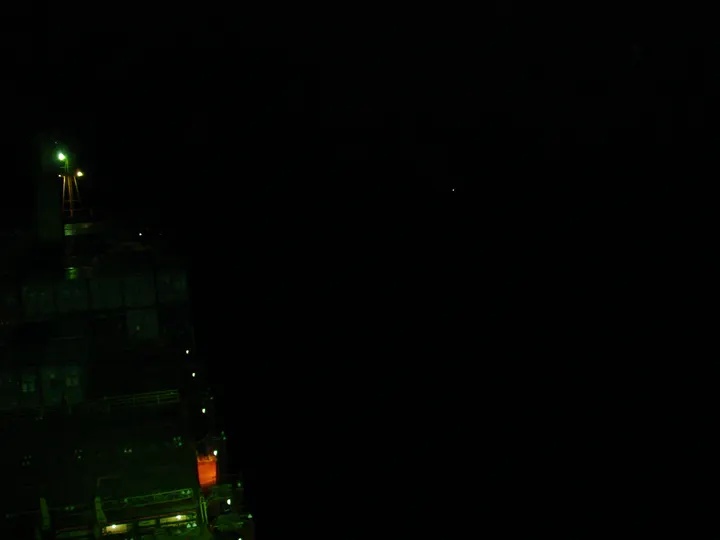
The pirate skiff approaching the Maersk Alabama, photographed from the bridge, April 8, 2009. The light at center-right is the attacking vessel.
.webp)
Somali pirates on the deck of the Maersk Alabama, April 8, 2009, photographed from the ship's superstructure as they prepared to depart. At least one is visibly armed.
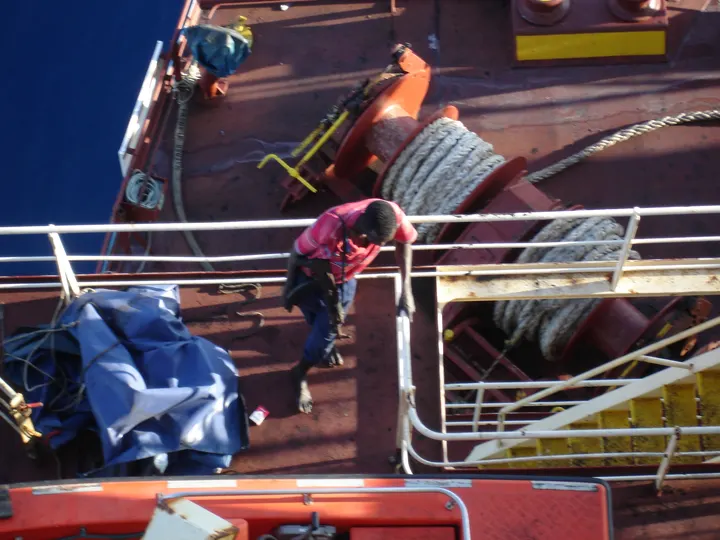
A Somali pirate on the deck of the Maersk Alabama, April 8, 2009, during departure.
M/V Maersk Alabama — Port Calls, 2009
The Maersk Alabama was a U.S.-flagged dry cargo container ship built in 1998 and operated by Maersk Line, Limited. I sailed aboard her in 2009 during port calls in Salalah, Oman and Mombasa, Kenya. In April 2009 she was hijacked by Somali pirates and her captain, Richard Phillips, was taken hostage. She was later renamed MV Tygra.
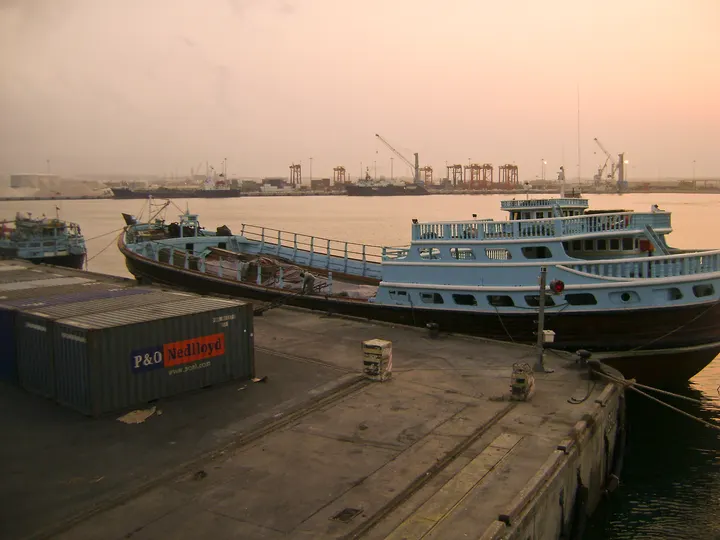
Dhow at sunset — Salalah, Oman, 2009
%20.webp)
Beach — Salalah, Oman, 2009
.webp)
Salalah Port — 2009
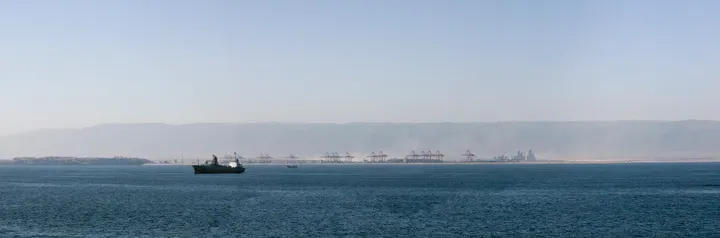
Salalah Port — 2009
.webp)
Ayn Sahnawt Springs — Salalah, Oman, 2009
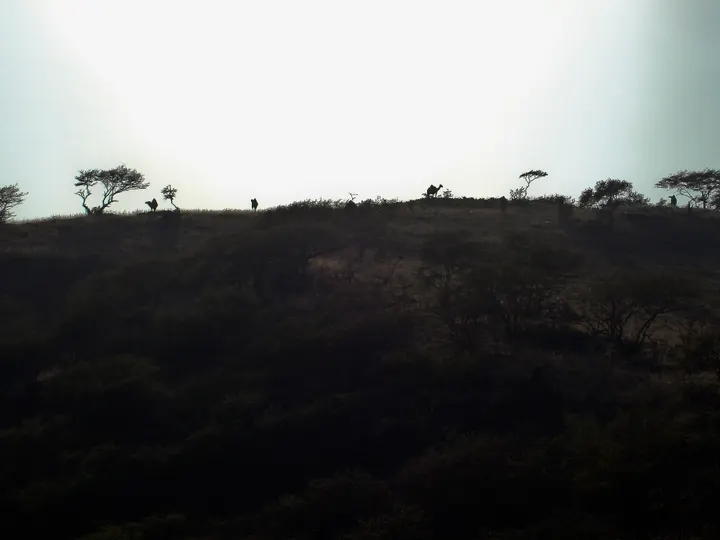
Camels by sunset — Salalah, Oman, 2009
.webp)
Camels on the road — Salalah, Oman, 2009
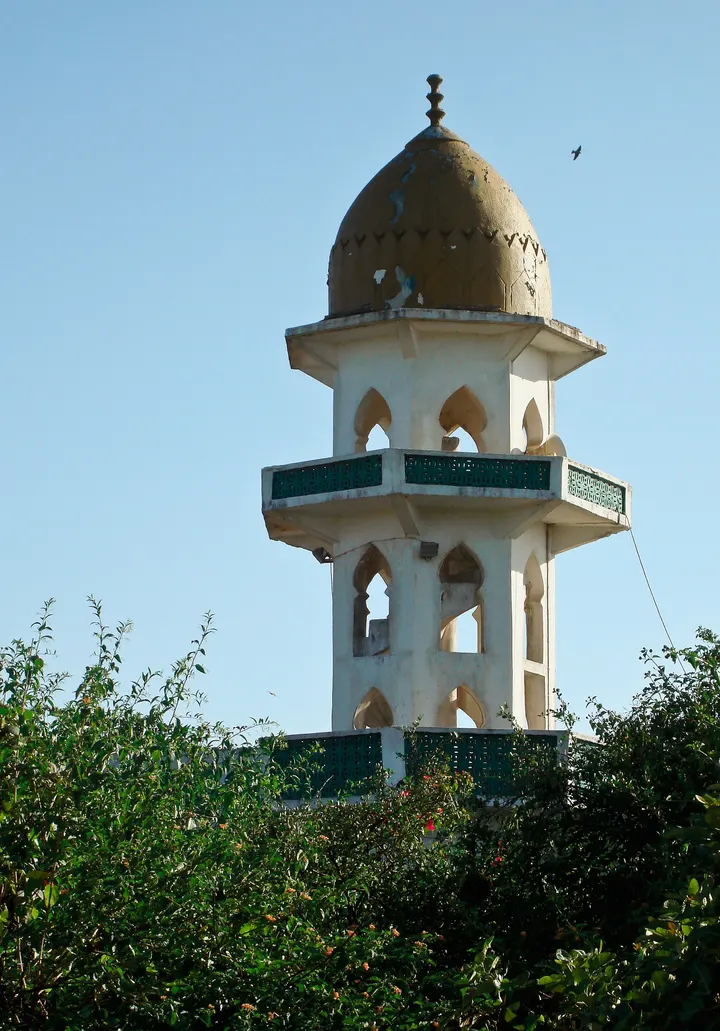
Hud Bin Abir Mausoleum — Salalah, Oman, 2009
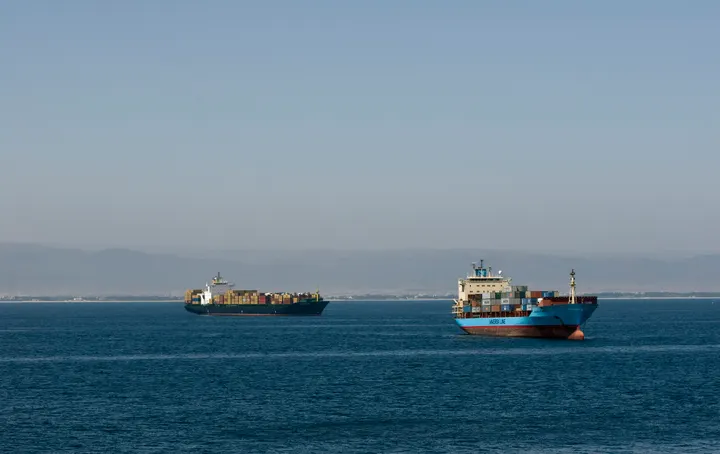
Ships waiting at anchor — Salalah, Oman, 2009
.webp)
Continental Hotel — Mombasa, Kenya, April 2009
.webp)
Monkeys at the Continental Hotel — Mombasa, Kenya, April 2009
.webp)
Old City buildings and alleys — Mombasa, Kenya, 2009
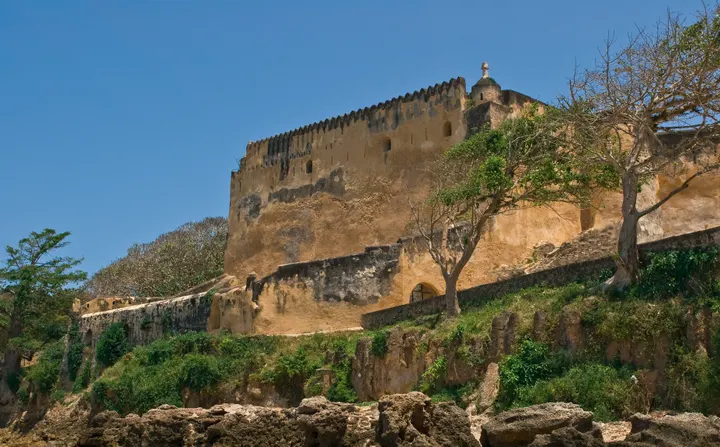
Fort Jesus from the water — Mombasa, Kenya, 2009
.webp)
Fort Jesus, Muslim door — Mombasa, Kenya, 2009
.webp)
Original U.S. Embassy, Old City — Mombasa, Kenya, 2009
.webp)
Old growth forest — Mombasa, Kenya, 2009
.webp)
Old Port entrance, Mackenzie Point — Mombasa, Kenya, 2009
.webp)
Aboard the Maersk Alabama — May 2009
M/V Liberty Spirit — 2008
The Liberty Spirit was a bulk carrier built in 1986 by Hyundai Heavy Industries and affiliated with Liberty Maritime. I sailed aboard her in 2008 during port calls in Tarragona, Spain, Guangzhou, China, and Bahía Blanca, Argentina. She was decommissioned and scrapped around 2011. These photographs are from that voyage.
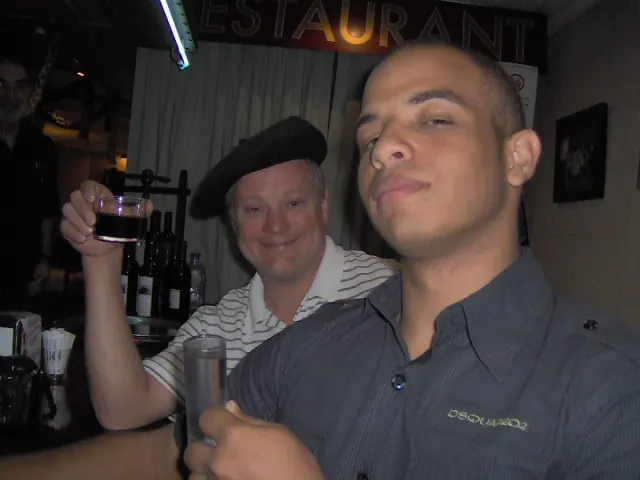
Drinking with the cadets — Tarragona, Spain, 2008
.webp)
Roman ruins — Tarragona, Spain, 2008
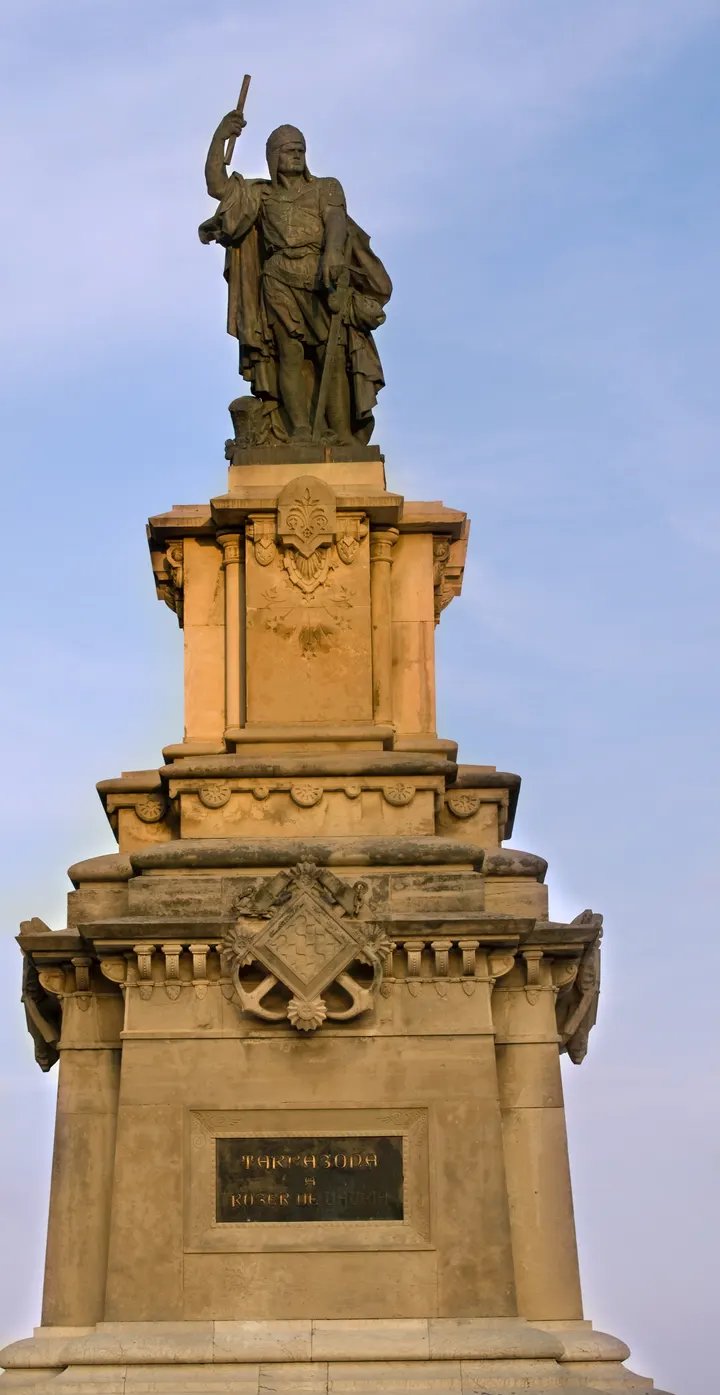
Roger de Llúria — Tarragona, Spain, 2008
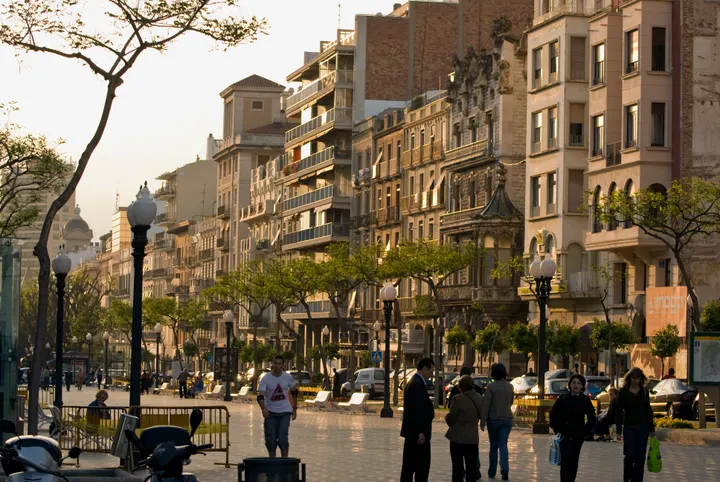
The Grand Boule — Tarragona, Spain, 2008
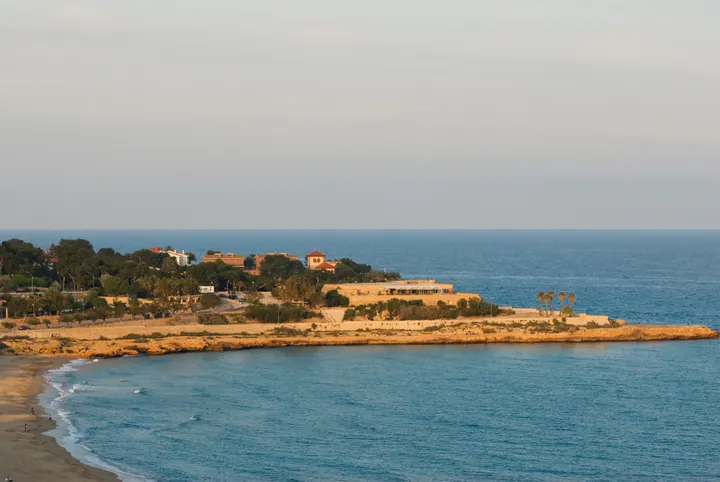
The beach — Tarragona, Spain, 2008
.webp)
Guangzhou, China — March 2008
.webp)
Guangzhou, China — March 2008
.webp)
Guangzhou, China — March 2008
.webp)
Guangzhou, China — March 2008
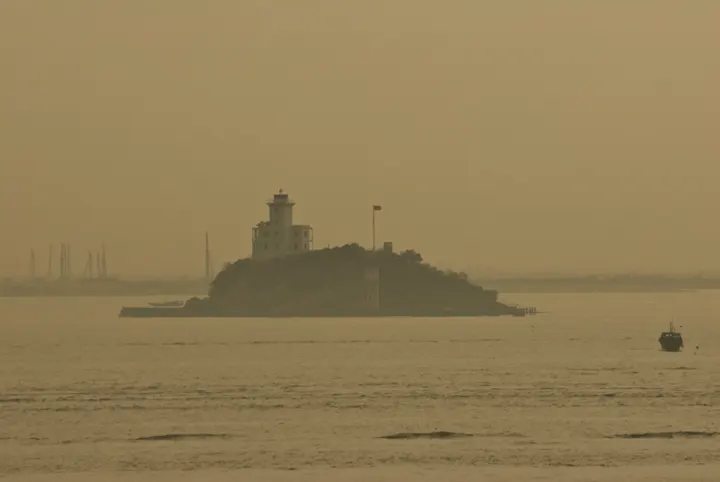
Pearl River Delta Lighthouse — Guangzhou, China, March 2008
.webp)
Upriver transit, fields burning — Argentina, 2008
.webp)
Upriver transit, fields burning — Argentina, 2008
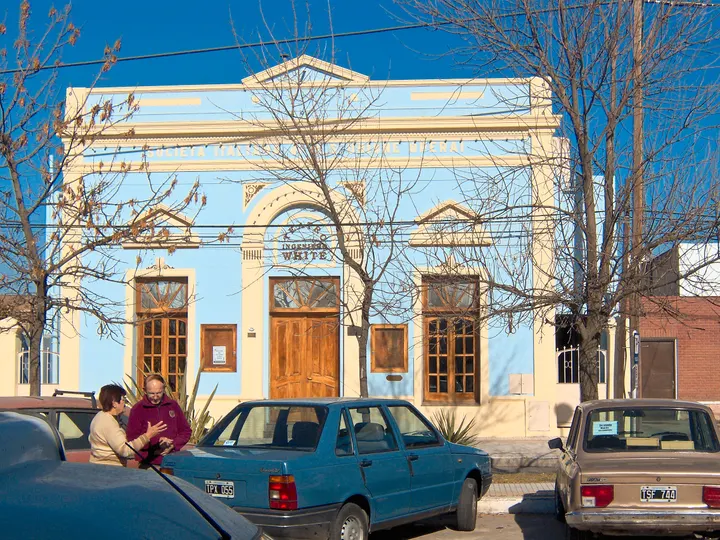
Street scene — Bahía Blanca, Argentina, 2008
.webp)
Loading grain — Bahía Blanca, Argentina, 2008
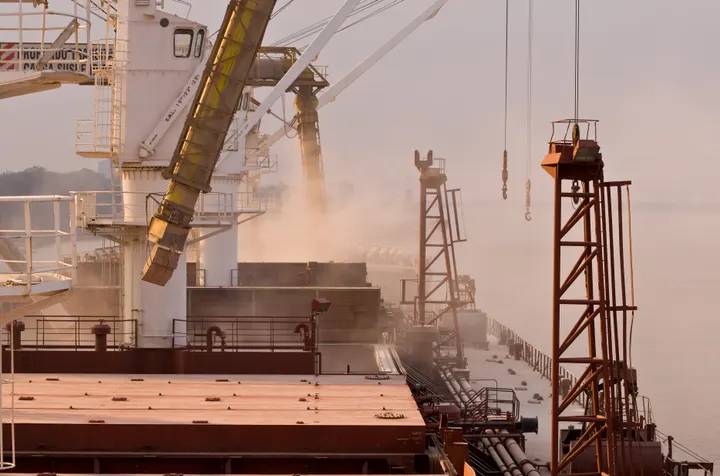
Loading grain — Bahía Blanca, Argentina, 2008
M/V Harriette — May 2007 to June 2007
The M/V Harriette was one of the last ships I photographed in service, and this section is one of the strongest records I have of day-to-day working life aboard a cargo vessel. These images cover the bridge, the engine room, cargo work, the crew, and the long run toward Africa as I saw it in 2007.
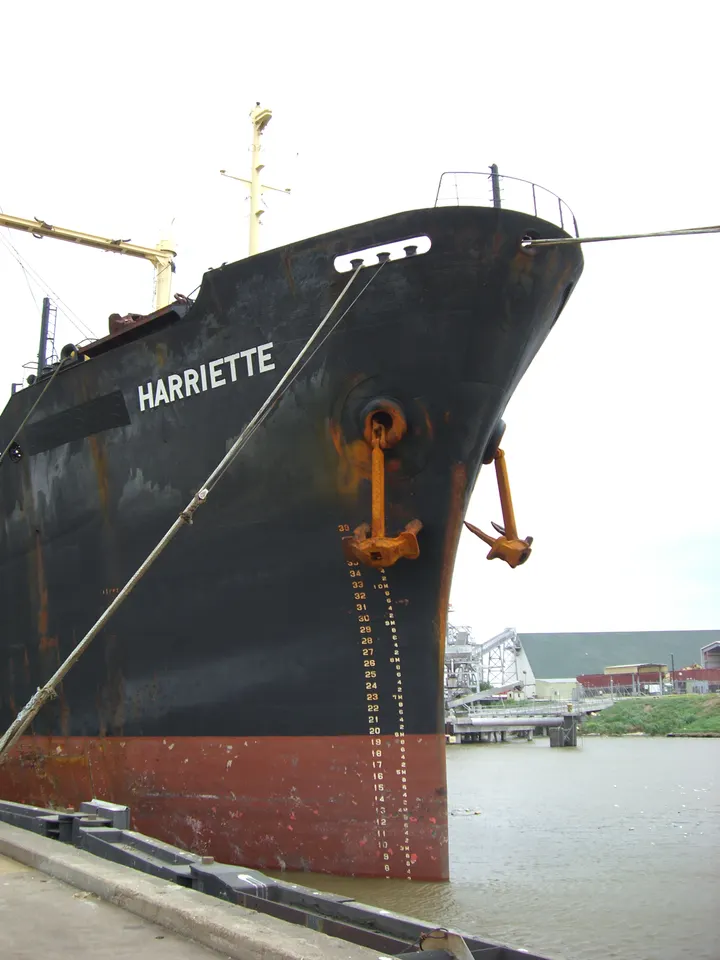
The Harriette as I remember her from the bow, solid and work-worn.
.webp)
Looking forward from the bow back toward the bridge during a quiet moment aboard.
.webp)
Captain Mike Tolley, one of the faces tied to this voyage in my memory.
.webp)
On the bridge while we worked out our course toward Africa.
.webp)
Another view from the Harriette bridge, where so much of the voyage was measured out watch by watch.
.webp)
Third Mate Hettie aboard the Harriette.
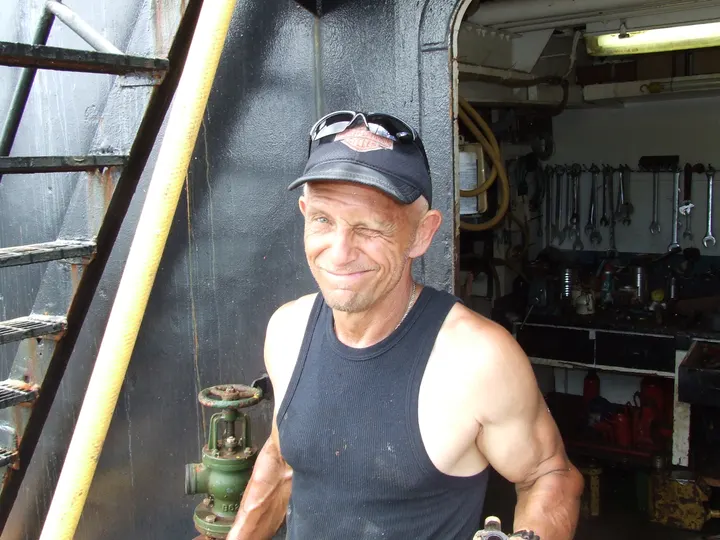
Bosun Gil, part of the crew that kept the ship moving.
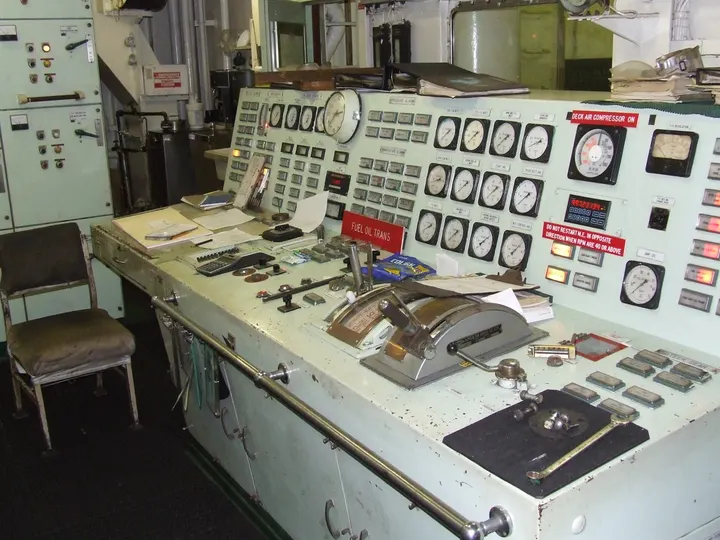
The old engine-room control station, already feeling antique even then.
.webp)
Overhauling a piston head, the kind of job that reminds you how much labor hides behind every voyage.
.webp)
Loading grain in Houston before another run out to sea.
.webp)
Another look at grain loading in Houston, all motion, dust, and routine.
.webp)
Heavy weather offshore, when the ship reminded you who was really in charge.
%20copy.webp)
A calmer day on the Harriette, which was worth appreciating when it came.
%20copy.webp)
Ship's work underway, never really stopping just because we were at sea.
%20copy.webp)
Cargo discharge in Africa, part of the working side of the voyage I wanted to preserve.
%20copy.webp)
Another view of cargo coming off in Africa, all business and dust.
%20copy.webp)
Work ashore in Africa, photographed because it felt like part of the real story of the trip.
%20copy.webp)
More dockside refurbishment, rough around the edges and very real.
M/V Padre Island — January 2007 to April 2007
These photographs come from my time aboard the M/V Padre Island, a working Hopper dredge on the Gulf Coast. I wanted this part of the archive to show not just the vessel itself, but the mix of labor, machinery, shoreline, and off-duty moments that made up that stretch of the job.
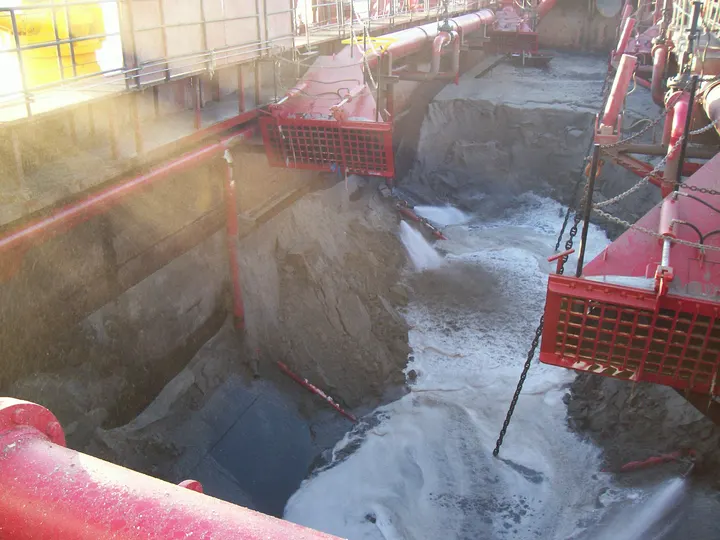
Dumping the load, exactly the kind of working image I never wanted to lose.
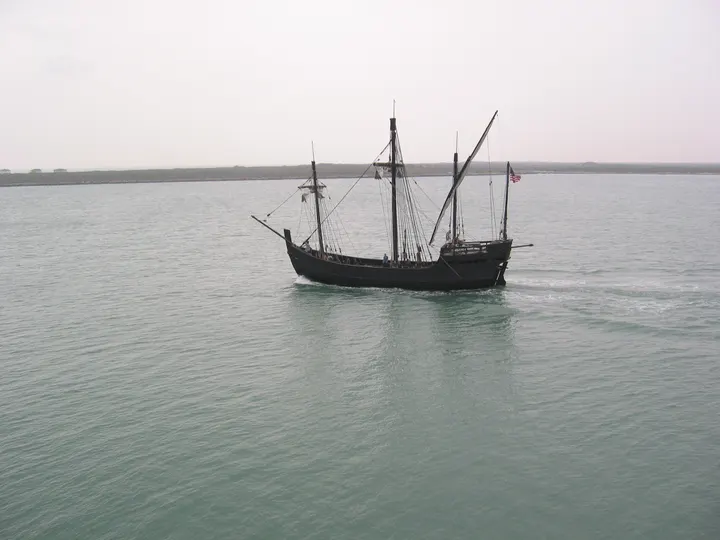
El Nina port visit in Brownsville, part of the Gulf Coast world around the job.
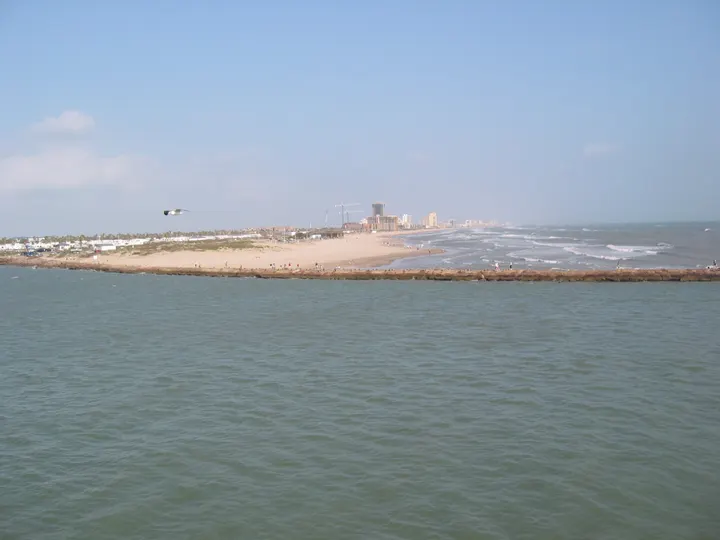
South Padre Island seen during time around the dredge work.
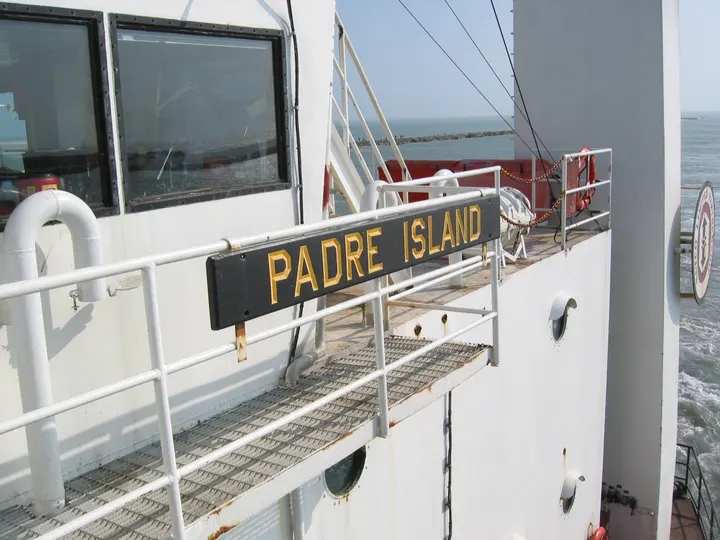
The ship's nameboard, simple but part of the identity of the vessel.
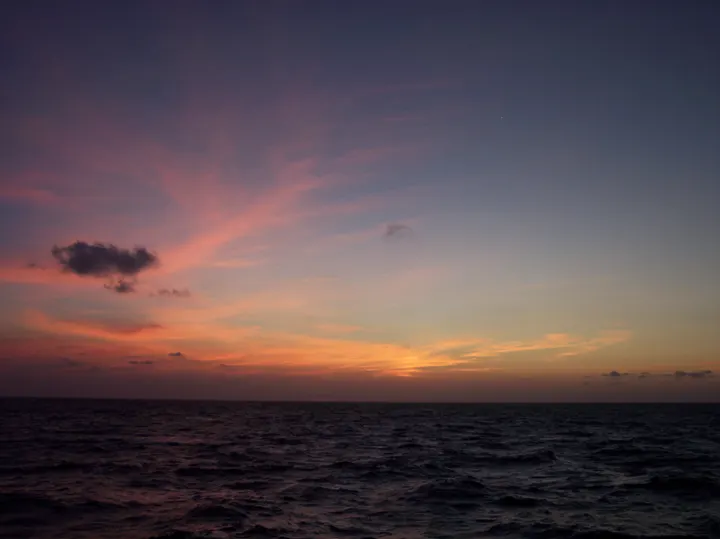
One of those Padre Island sunsets that made the day end on a better note.
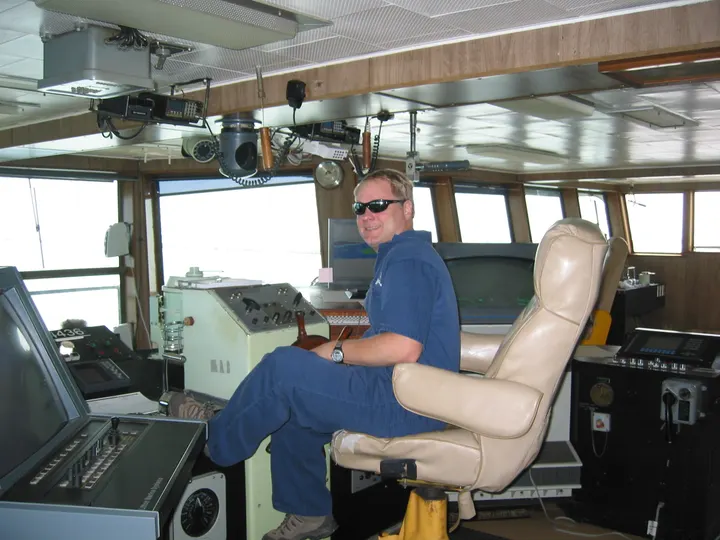
A rare enough smile that it probably deserved to be photographed.
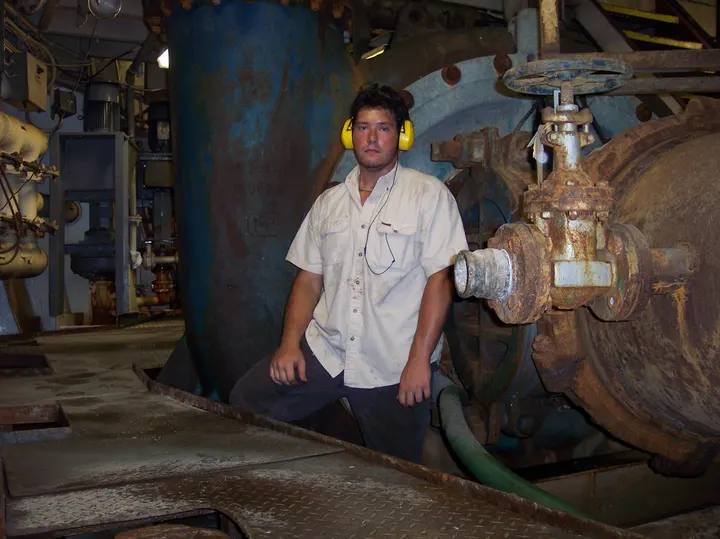
Third Assistant Engineer Steve, another familiar face from that stretch of work.
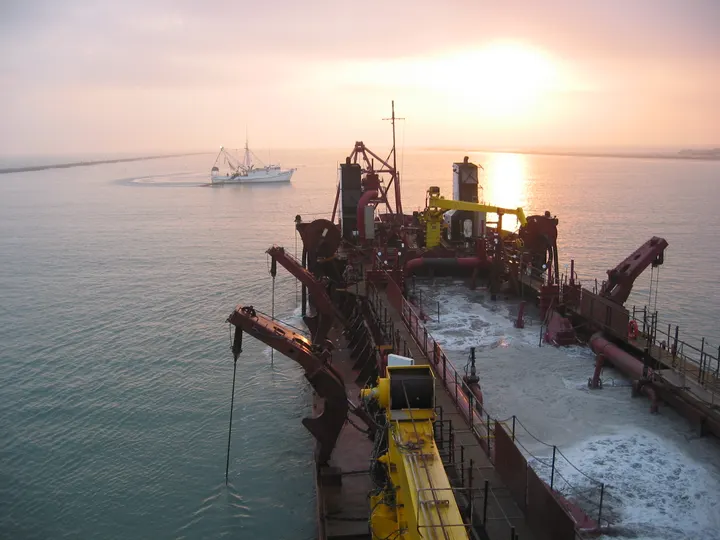
Heading into the sunrise out of Brownsville, one of the better ways to start a watch.
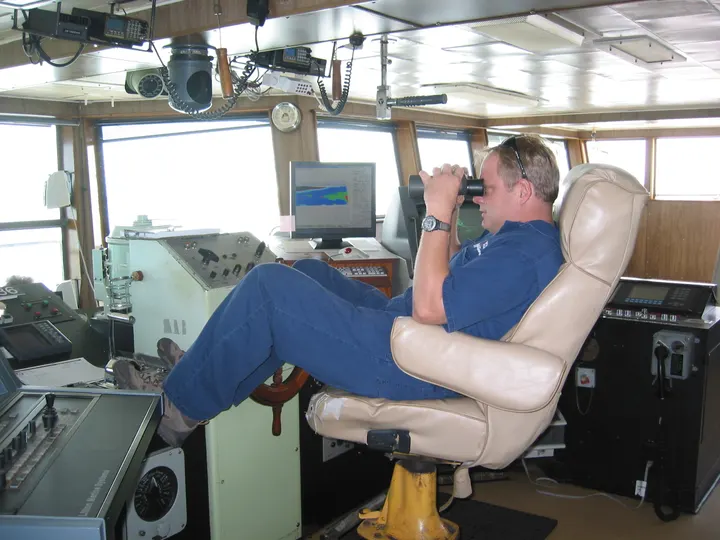
Watching the shoreline for a while after too much time around machinery and steel.
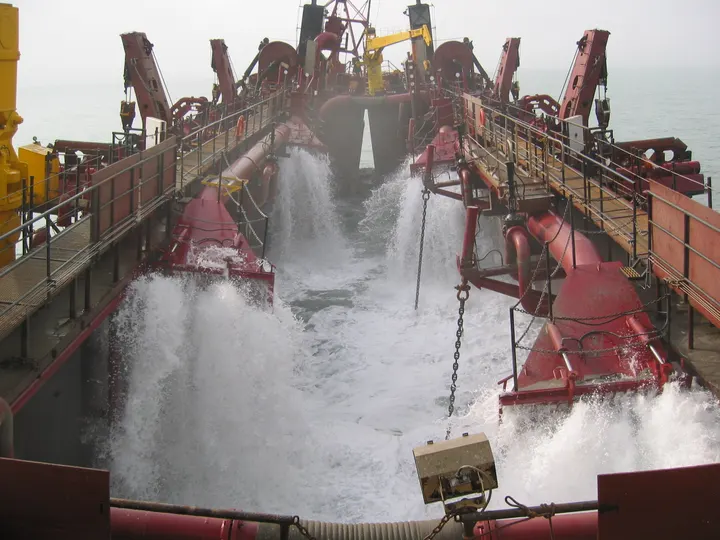
A second look at the dredge work, repetitive in the best working sense of the word.
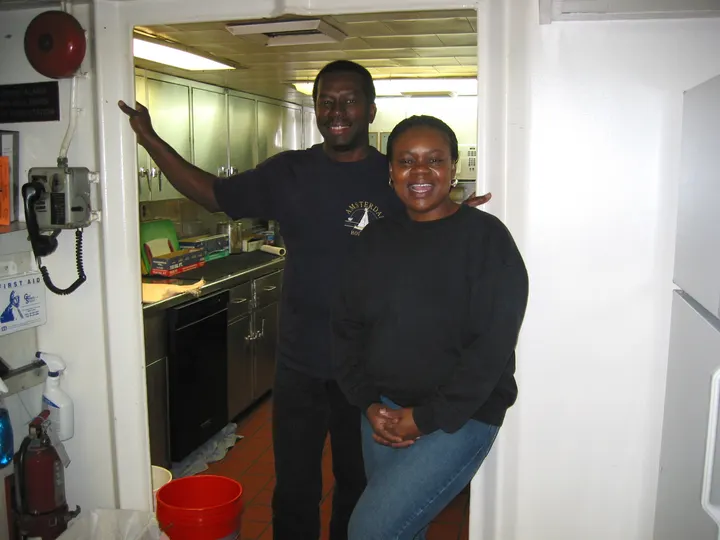
Cook Mike and S/A Mary, part of the everyday shipboard life that mattered as much as the machinery.
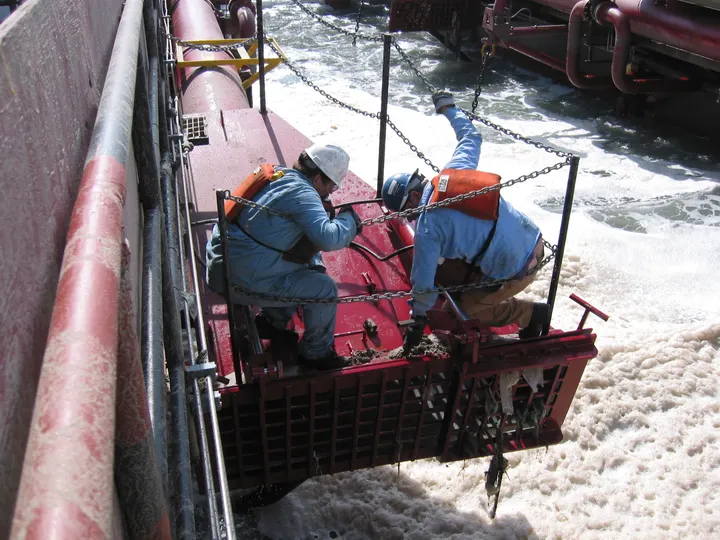
Bruce and John in the middle of ship's work, which was usually where you found people.
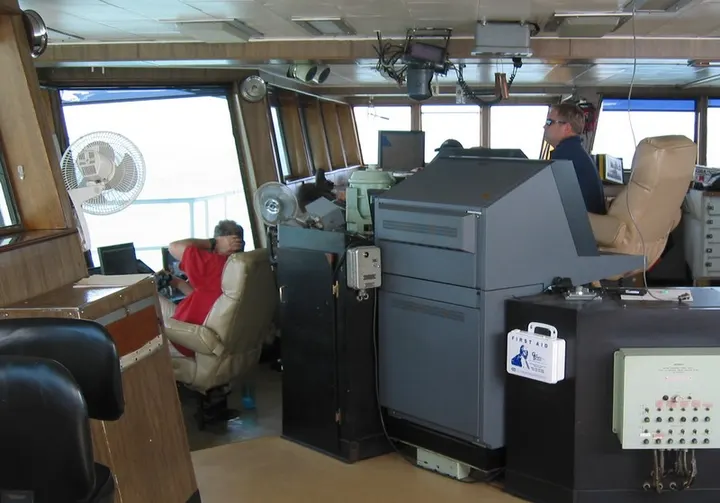
Bruce and me during one of the lighter moments between the work.
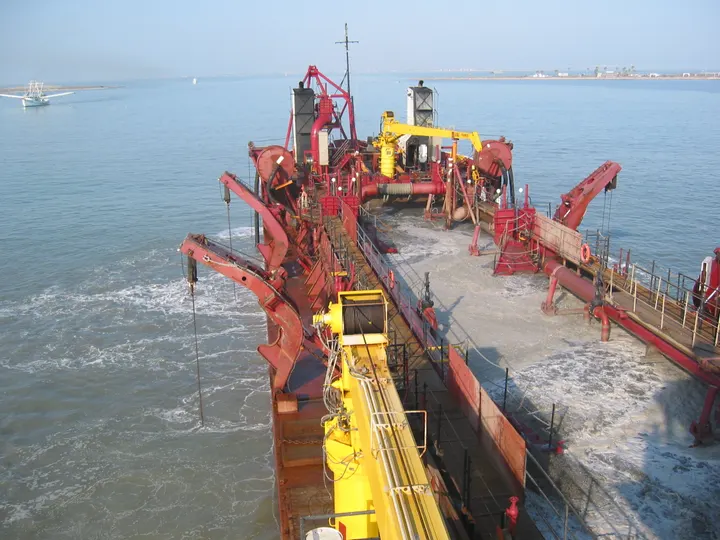
The hopper at work during Gulf Coast dredging operations.
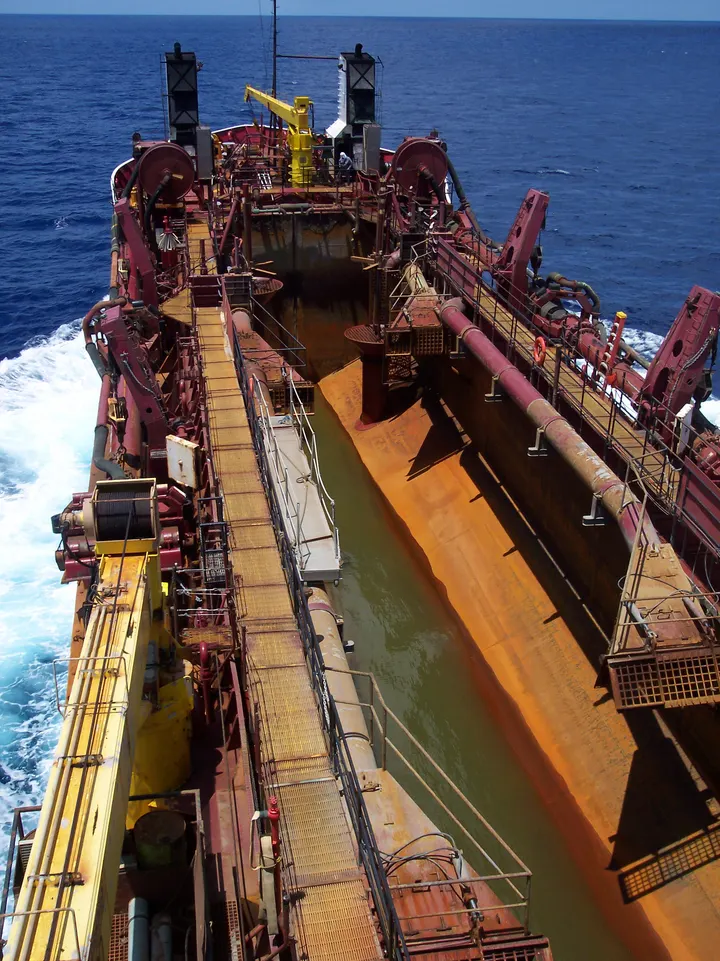
Another working view of the hopper doing what she was built to do.
M/V Westward Venture — July 2006 to December 2006
The Westward Venture section shows a different rhythm of shipboard life, with long watches, crew snapshots, and port calls across Europe. These are some of my favorite photographs because they capture both the work and the personality of the people around me.
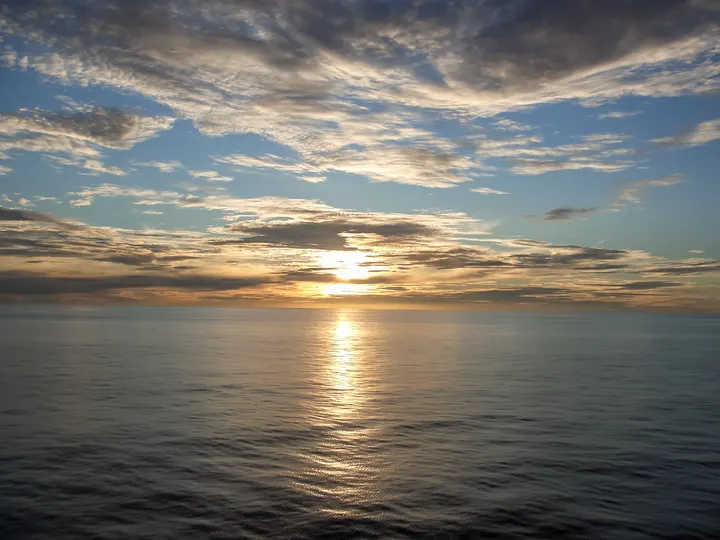
Sunset and cloud cover, one of the perks of the job.
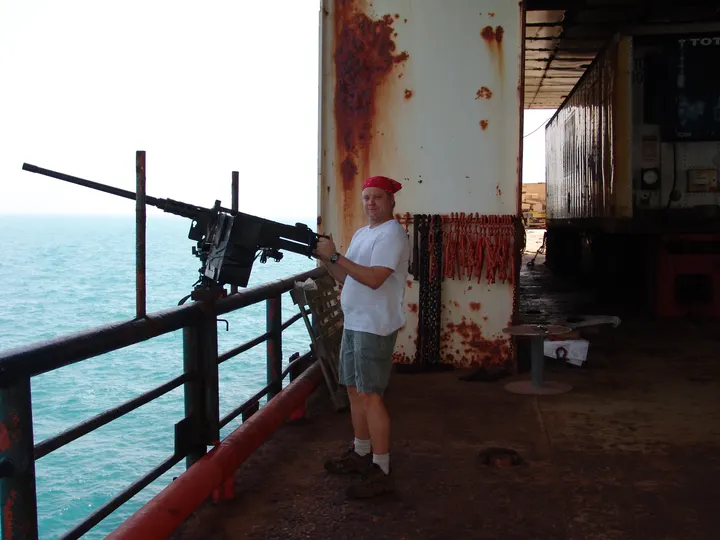
A joking crew shot that says a lot about shipboard humor.
.webp)
One of those half-serious, half-funny moments that made life aboard what it was.
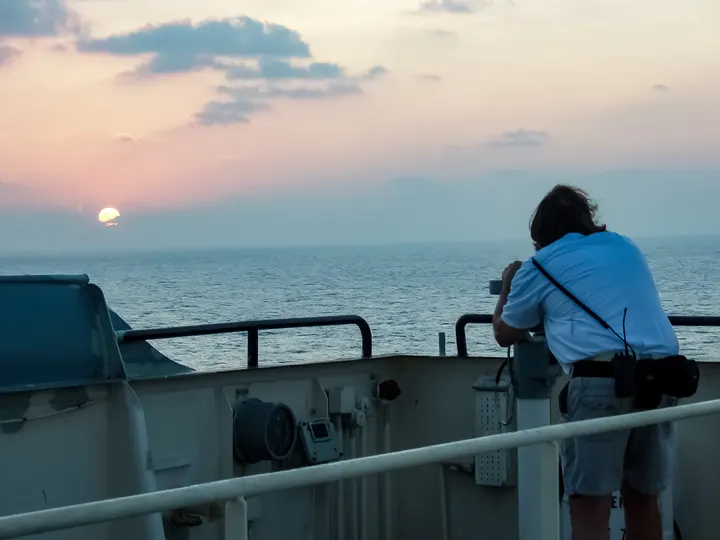
Mike Thomas working a compass correction at sea.
.webp)
Another crew moment with the kind of rough humor sailors understand immediately.
.webp)
At the controls again, settling into the rhythm of another watch.
.webp)
Caught at the wrong moment, which is probably why I kept the picture.
.webp)
A candid shot of a wipe out in Durban South Africa.
.webp)
Chief Mate Morgan in the middle of ship's work.
.webp)
Chief Mate Tim getting a position.
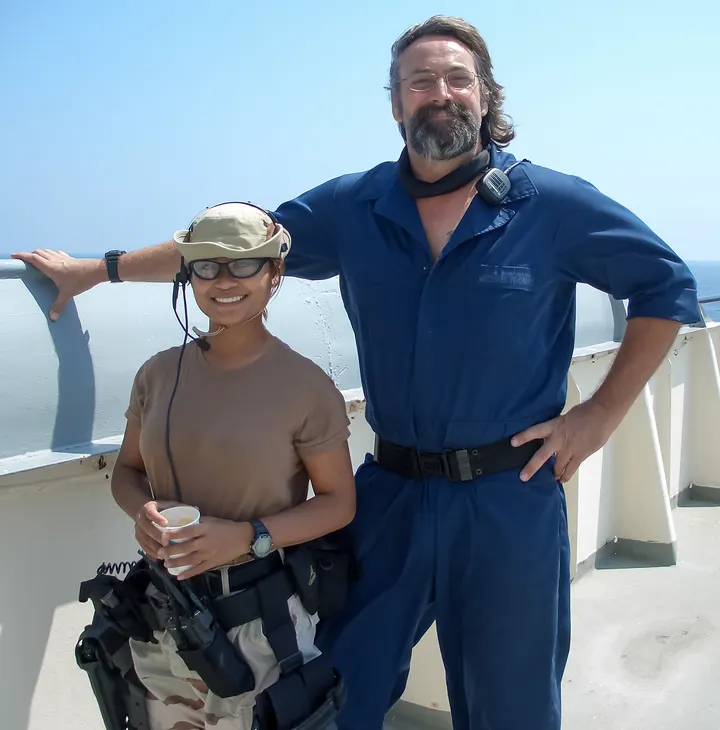
Which one is tougher?
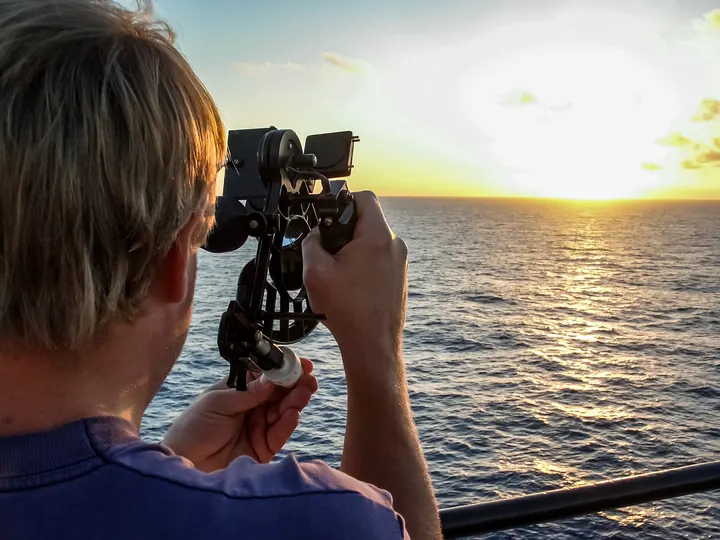
Me shooting the sun with a sextant, doing it the old way.
Crete — September 2006
I took these photographs during a call in Crete, where the contrast between shipboard routine and the island landscape really stood out to me. They preserve a few of the quiet sights ashore that stayed with me after the voyage moved on.
.webp)
Holy Metropolitan Church of the Presentation of the Virgin Mary (Trimartiri) Ιερός Μητροπολιτικός Ναός Εισοδίων της Θεοτόκου.
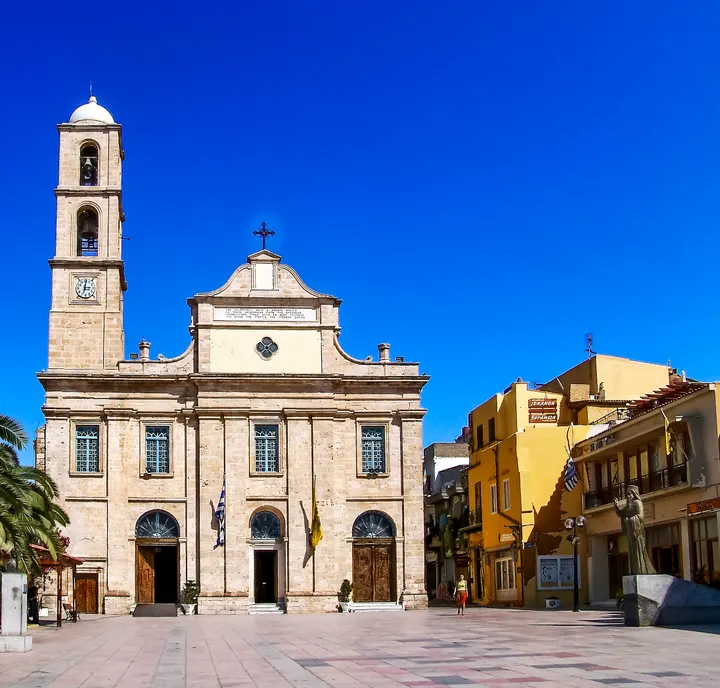
Holy Metropolitan Church of the Presentation of the Virgin Mary (Trimartiri) OR if you're Greek-->Ιερός Μητροπολιτικός Ναός Εισοδίων της Θεοτόκου.
.webp)
Hillside monastery above Kalon Limenon, quiet and a long way from shipboard noise.
.webp)
Olive fields in Crete, a calm inland view after life aboard ship.
.webp)
Beach hotel in Crete during a rare chance to slow down and look around.
.webp)
The Westward Venture at anchor off Crete.
Cagliari Sardinia, Italy / M/V Maersk Alaska — January 2006
Cagliari is the capital city of the Italian island of Sardinia. These January 2006 photo's and maps connect the port call with the M/V Maersk Alaska, a self-sustaining Container-RoRo vessel later sold to Ignazio Messina and renamed Jolly Nero. Cagliari is known for the hilltop Castello, a medieval walled quarter situated high over the rest of the town, along with Roman, medieval, and maritime history.
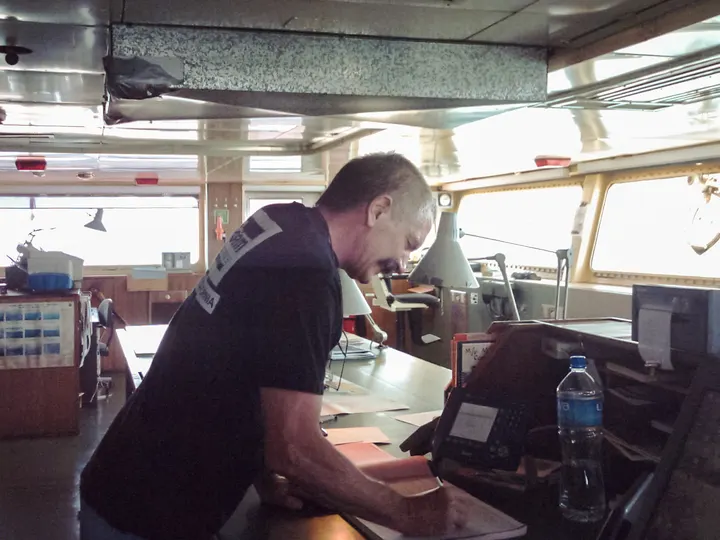
3M Jon Taylor.
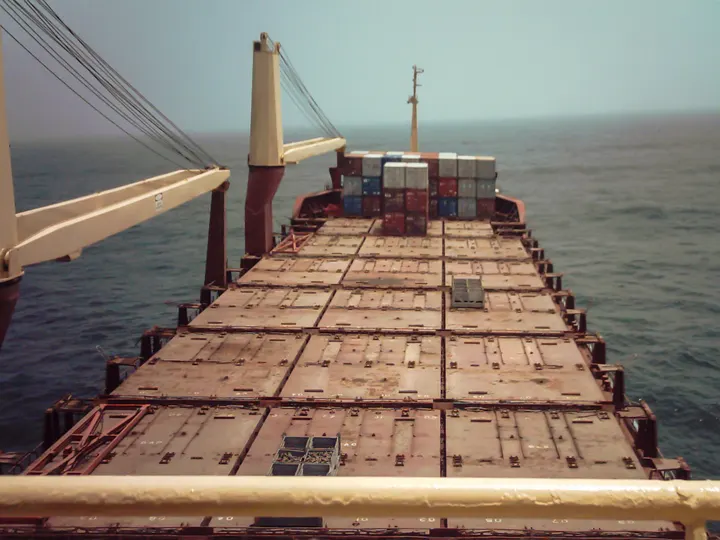
Maersk Alaska heading to Boston North Atlantic Ocean
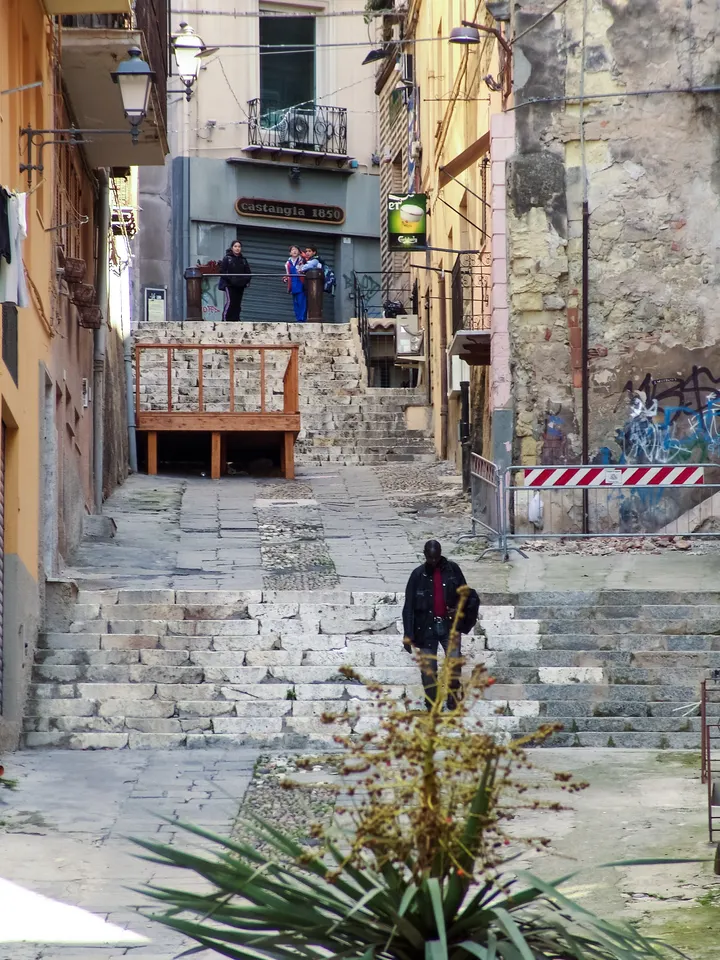
Stairway by the Auditorium.
.webp)
Auditorium Comunale di Cagliari (Ex Collegio di Santa Teresa).
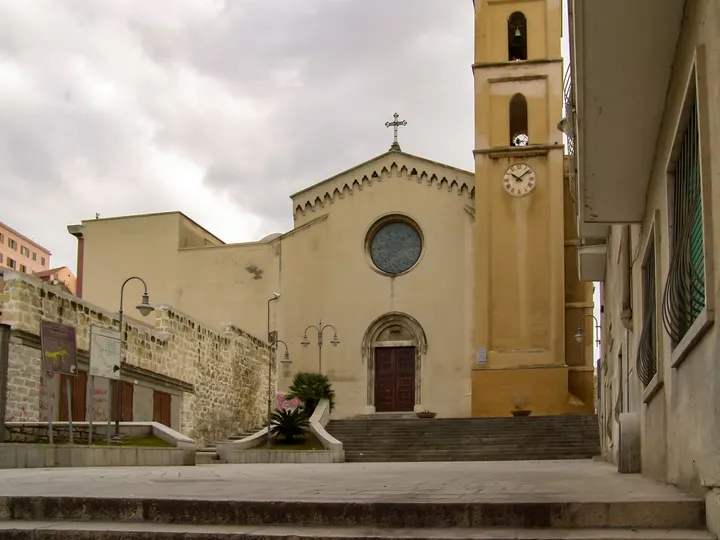
Church of Saint Eulalia.
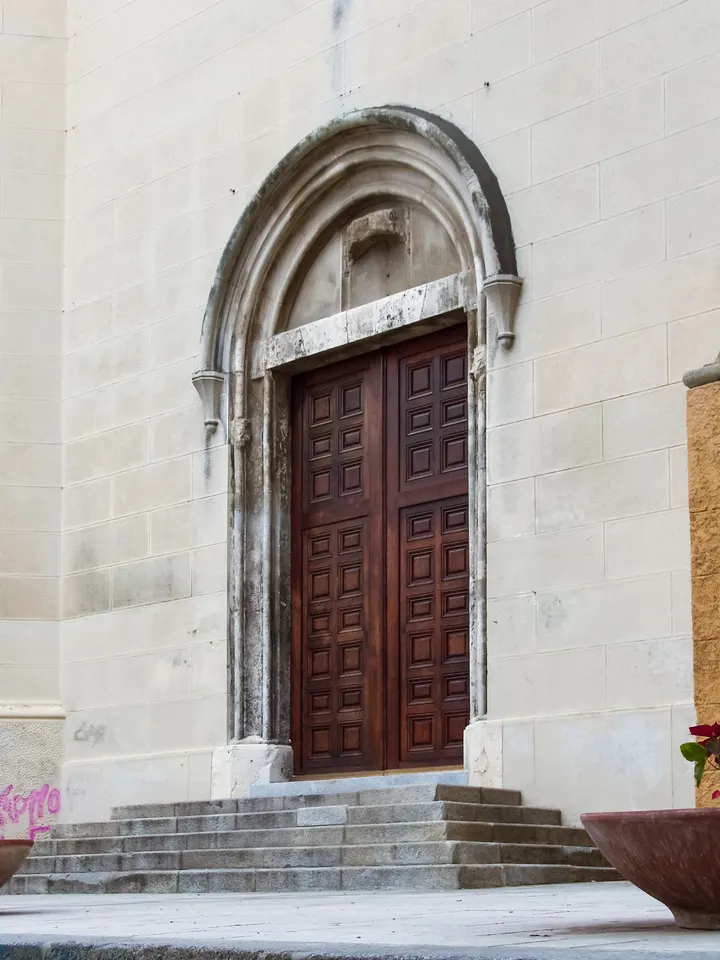
Church of Saint Eulalia.
Klaipeda, Lithuania — 2005
These images from Klaipeda record the feel of a Baltic port call as I remember it: part industrial harbor, part old city, and part time ashore trying to take in a place quickly before heading back out. I kept them because they capture that in-between feeling well.
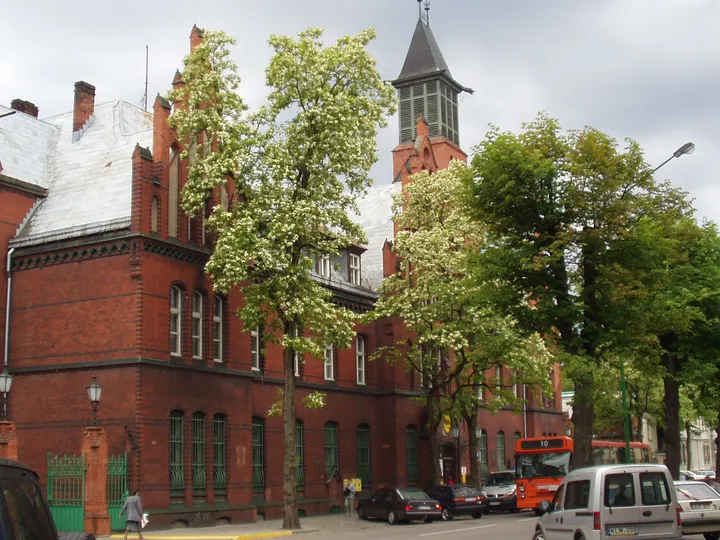
Church architecture in Klaipeda during shore leave.
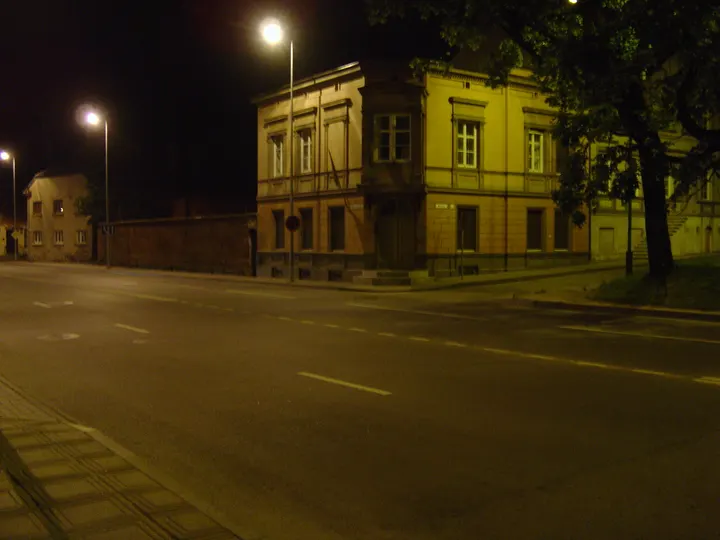
Klaipeda after dark, with the city feeling very different from the dockside.
Modern street view in Klaipeda during a quick look around town.
A second pass through the overpass area in Klaipeda.
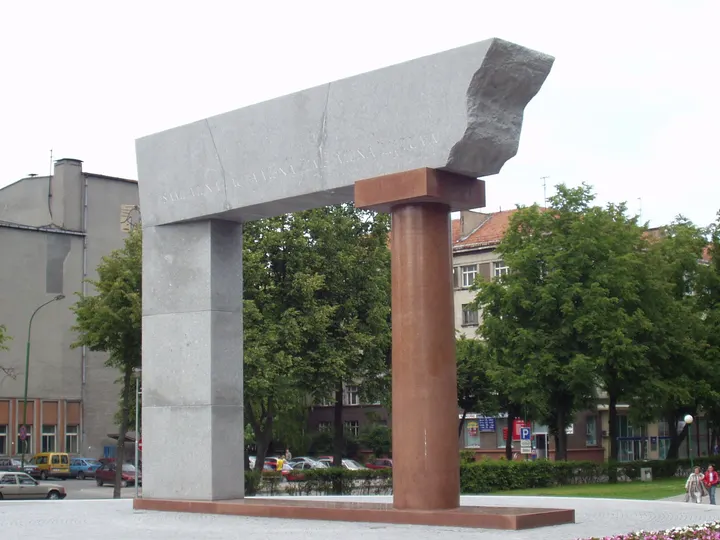
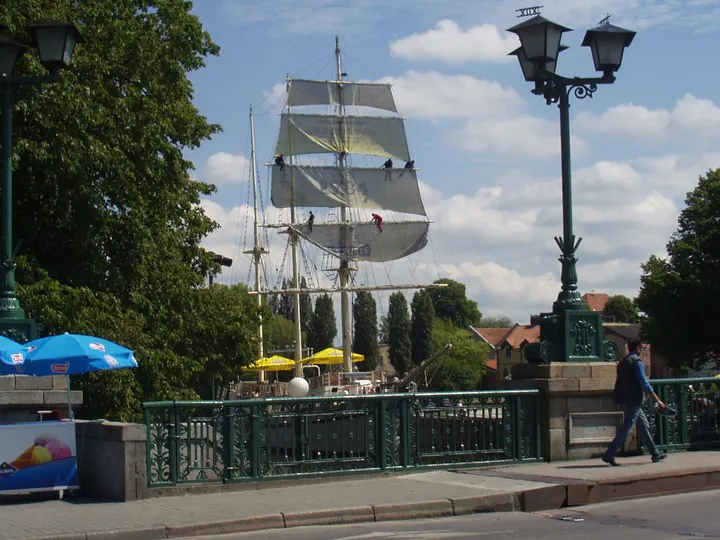
Small harbor craft in Klaipeda, the kind of waterfront detail I was always drawn to.
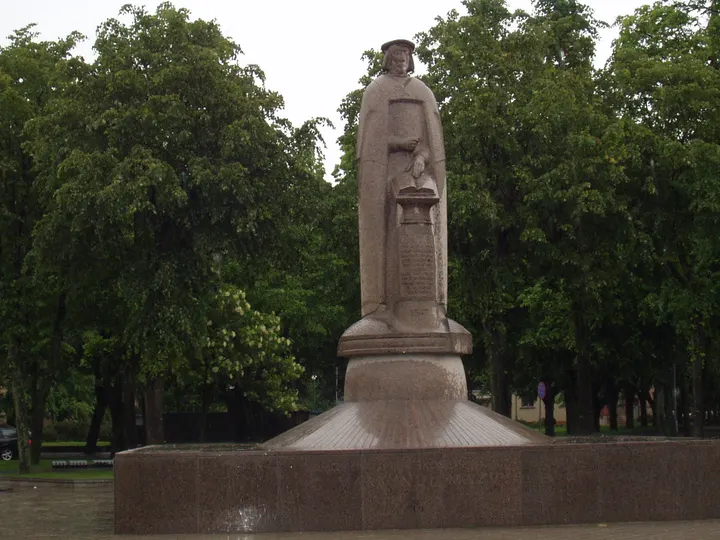
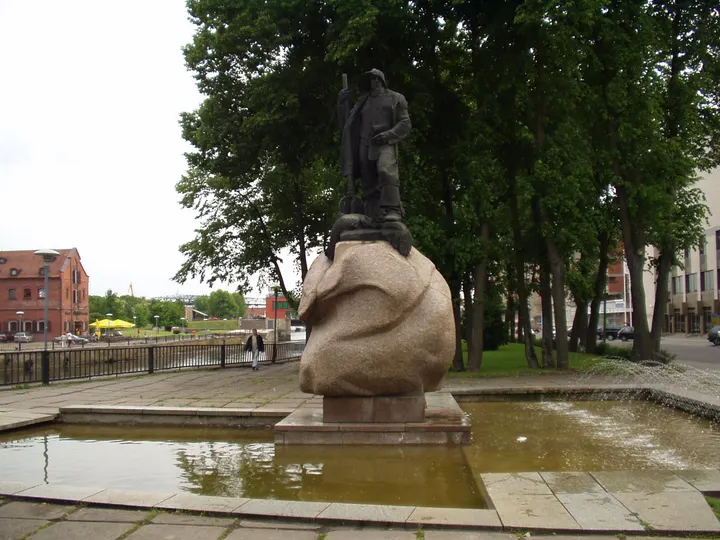
A public monument in Klaipeda photographed during time ashore.
Billund, Denmark — 2005
Denmark, Land and at Sea aboard the S/S Major Stephen W. Pless. They show the calm countryside and small details.
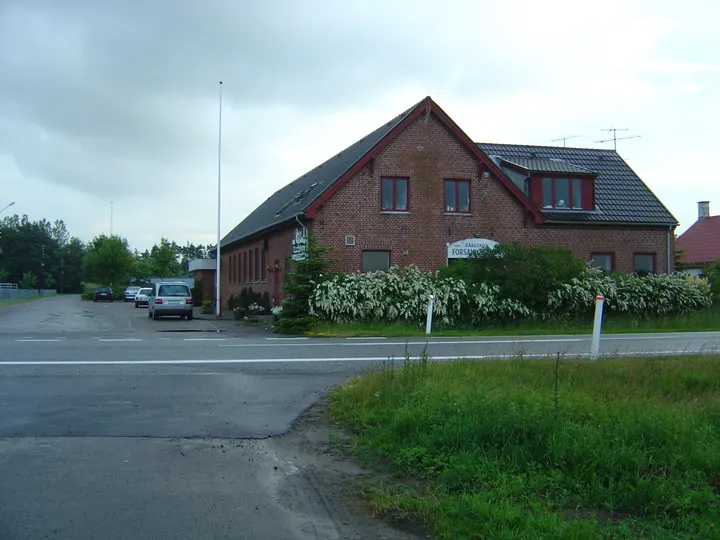
A traditional house in Denmark, simple and well kept.
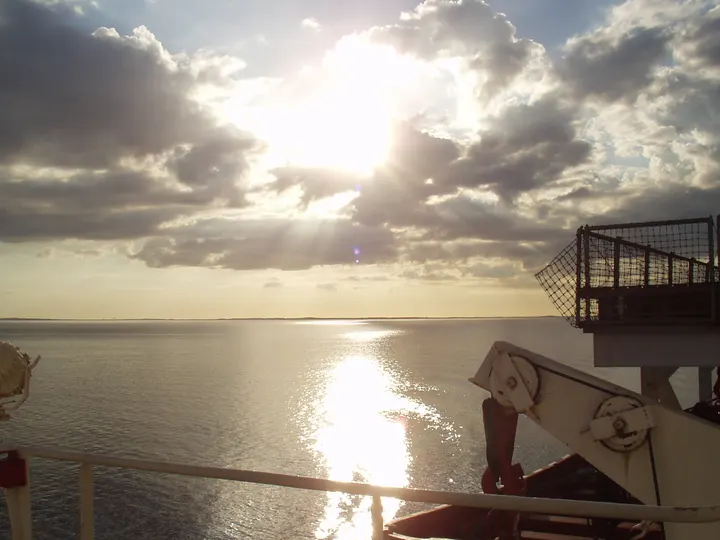
Sun setting on Denmark.
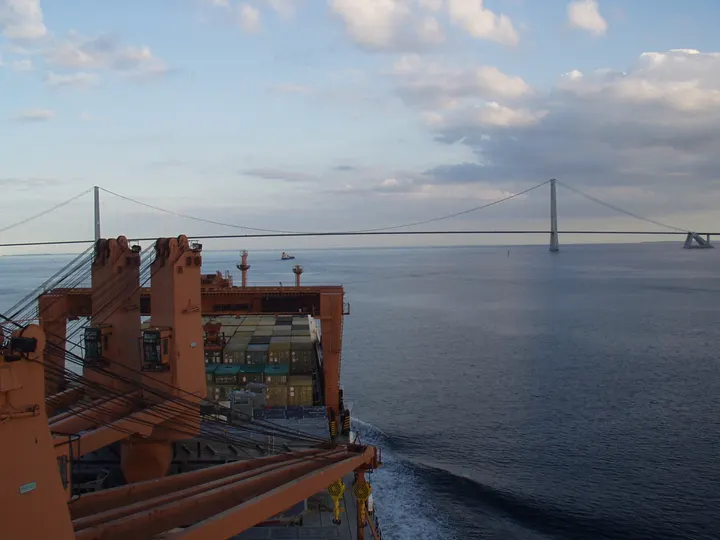
The Great Belt Bridge, Denmark.
Torquay, UK | S/S Sgt. Matej Kocak (T-AK-3005) | July 2004
These photographs document life aboard the S/S Sgt. Matej Kocak (T-AK-3005), a Sgt. Matej Kocak-class cargo ship of 821 feet built in 1983. The images cover crew and a port call in Torquay, England UK.
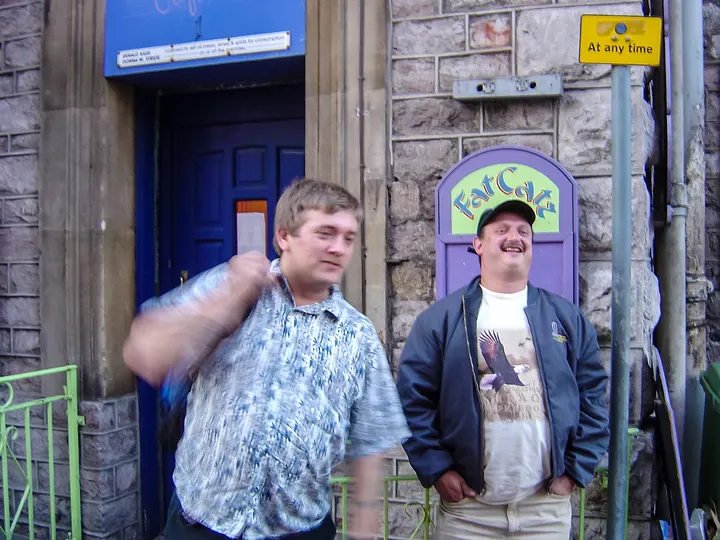
Marty and Frank.
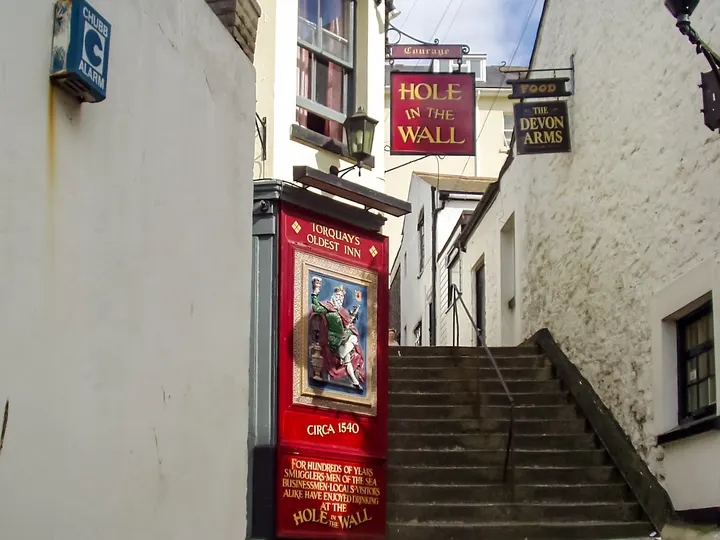
Hole in the wall Pub, sadly closed now. Lot's of fun had there.
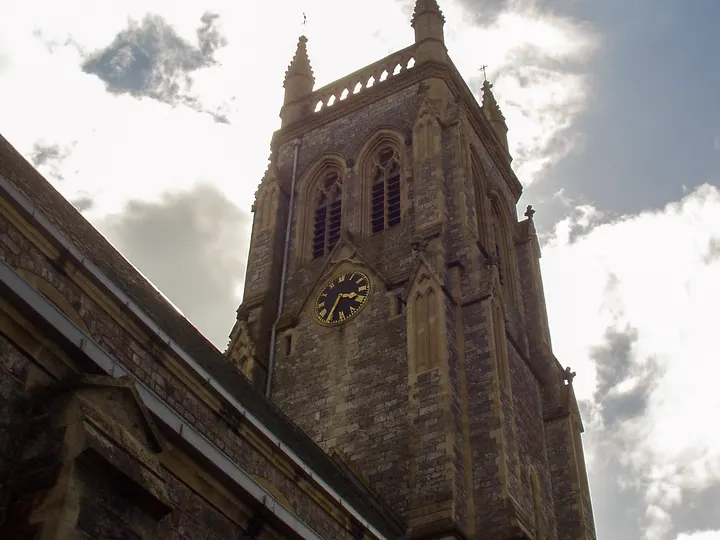
St Mary the Virgin Church, Torquay.
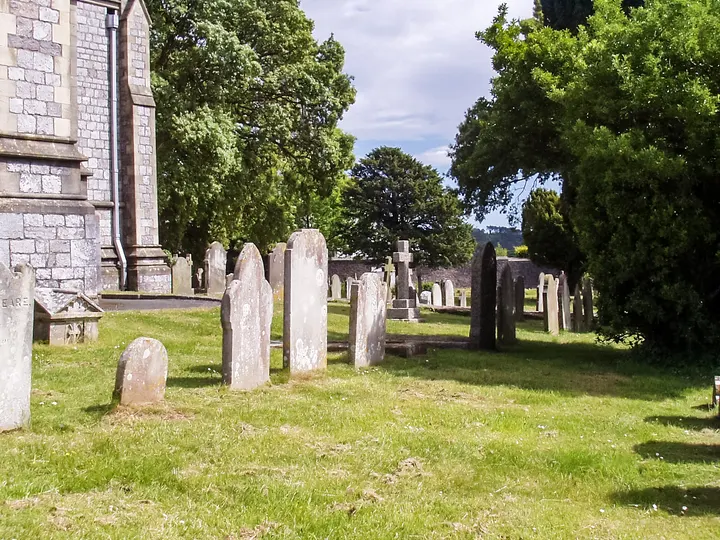
St Mary the Virgin Church, Torquay.
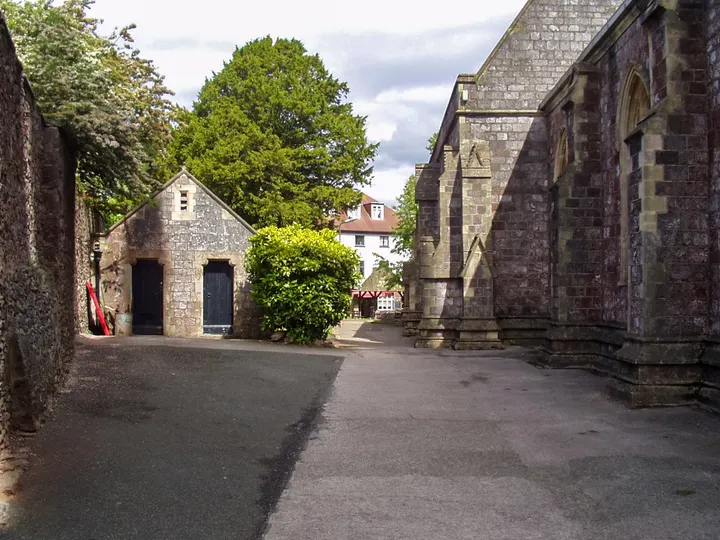
St Mary the Virgin Church, Torquay.
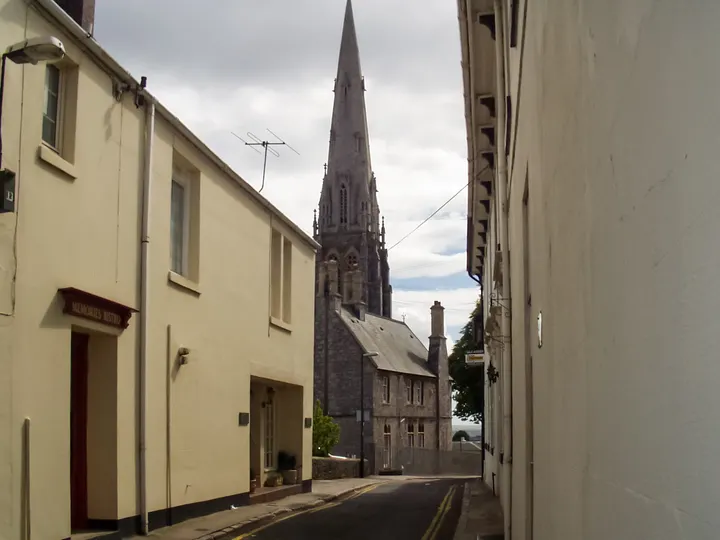
Town Area Torquay
S/S Major Stephen W. Pless — 2003 to 2005
These photographs document life aboard the S/S Major Stephen W. Pless, a Sgt. Matej Kocak-class cargo ship of 821 feet built in 1983. The images cover crew, military helicopter deck cargo, and a port call in Japan. Denmark photographs from this vessel are in the section above.
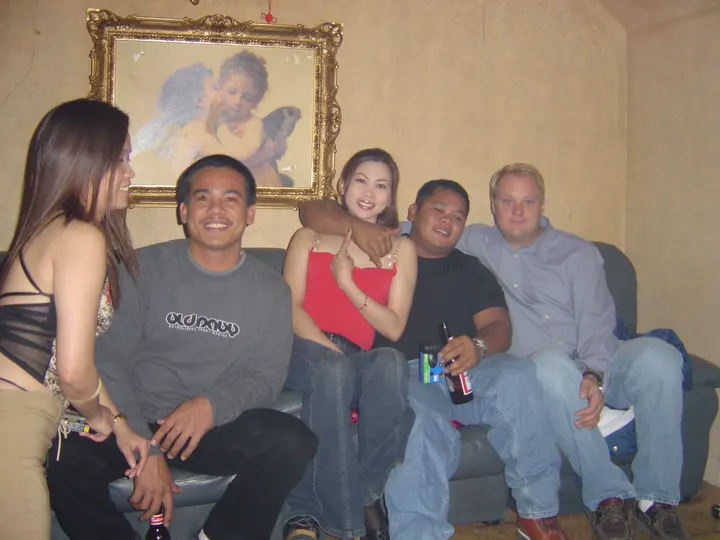
Crew aboard the Pless during a port call in Japan.
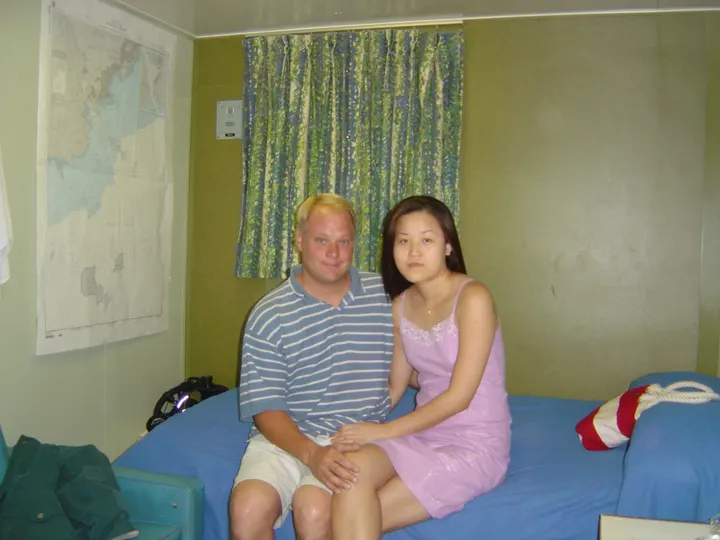
Lin and me aboard the Pless, March 21, 2004.
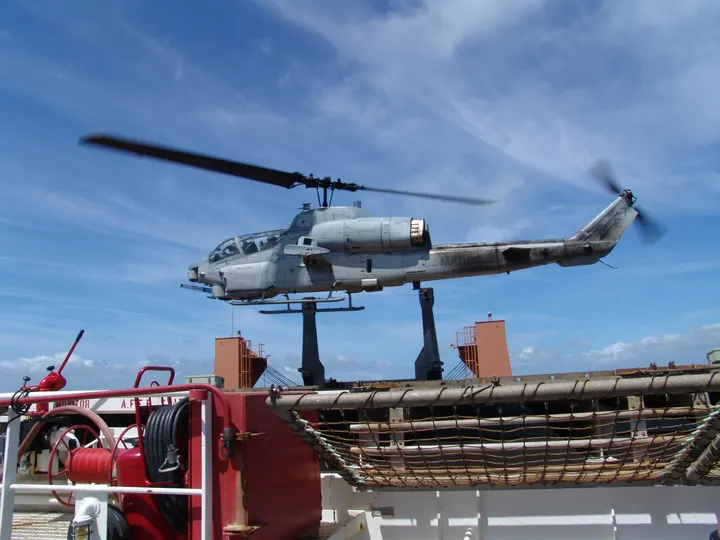
An Apache helicopter on deck — the kind of cargo that made the Pless a different kind of ship.
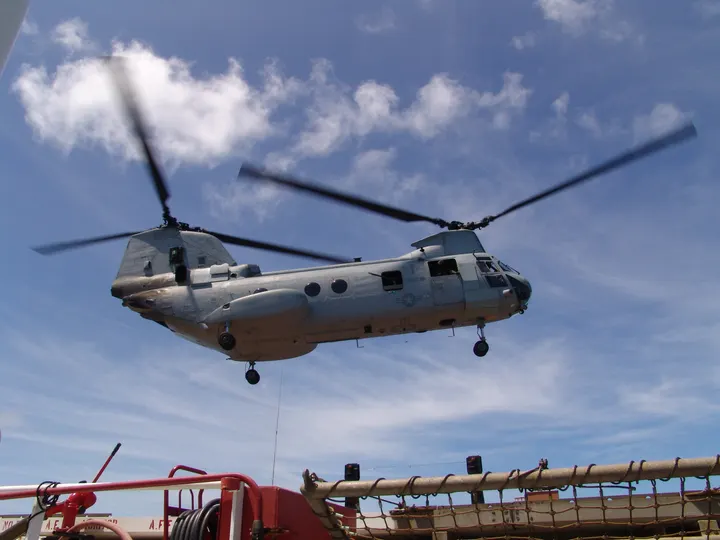
Another helicopter on the Pless deck.
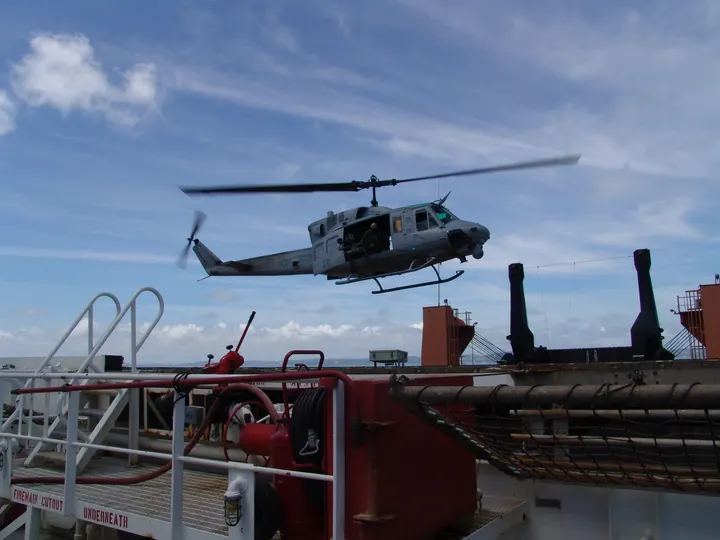
A Huey on deck, an old warhorse sitting on a working ship far from any battlefield.
Saipan — 2003 to 2005
Saipan left a strong impression on me, and these photographs reflect both the beauty of the island and the history that hangs over it. I wanted this section to hold onto the cliffs, monuments, celebrations, and small moments that made those visits memorable.
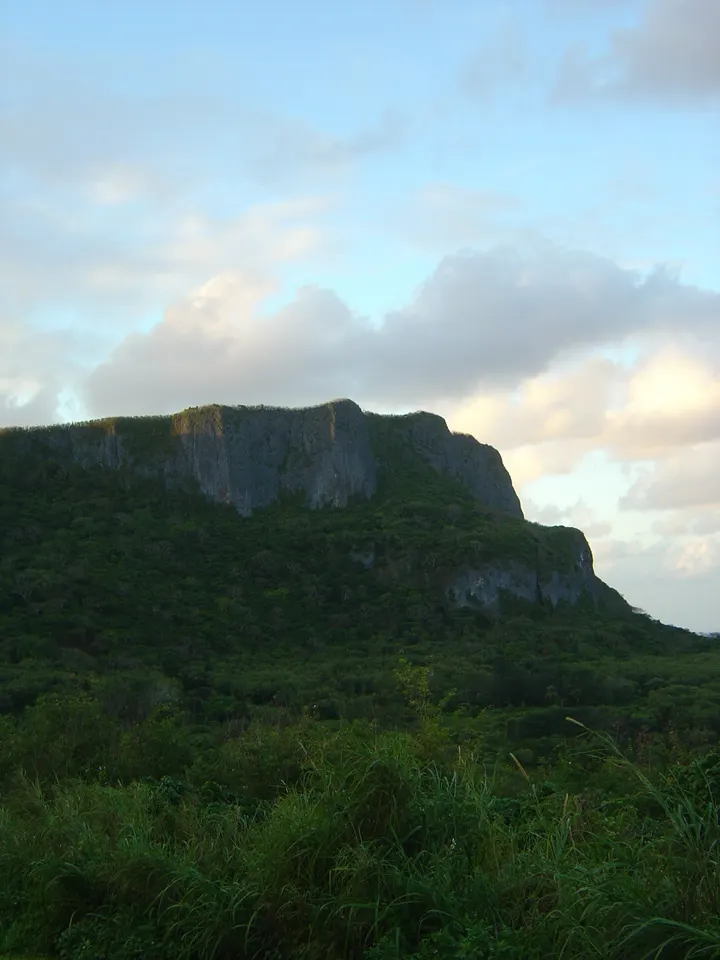
Banzai Cliff, one of the most striking places I saw on Saipan.
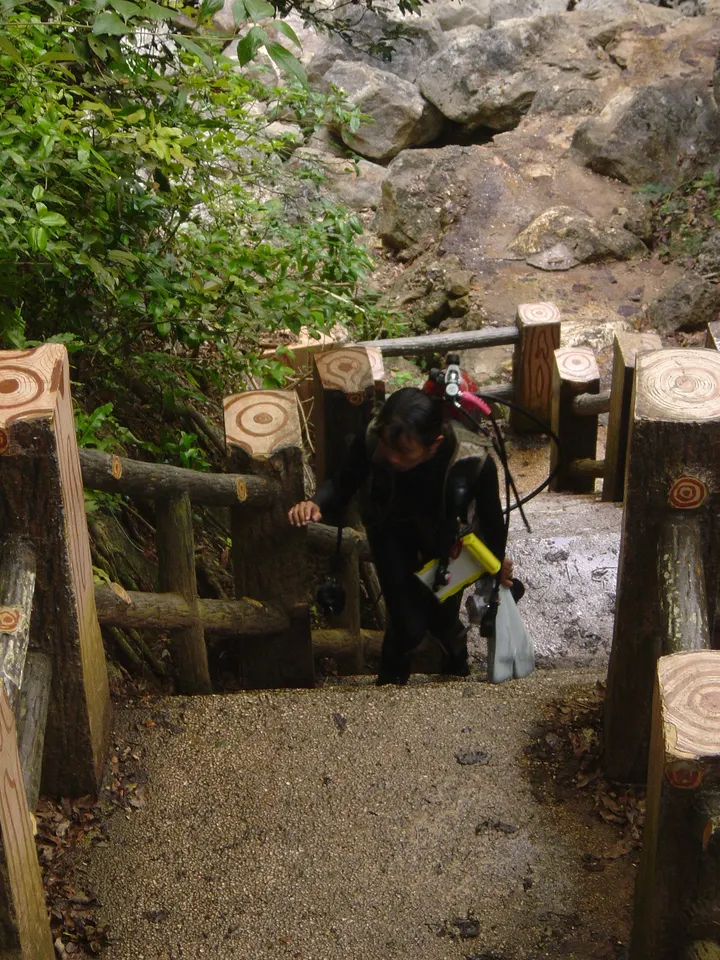
Another view of the Grotto — one of the most striking spots on the island.
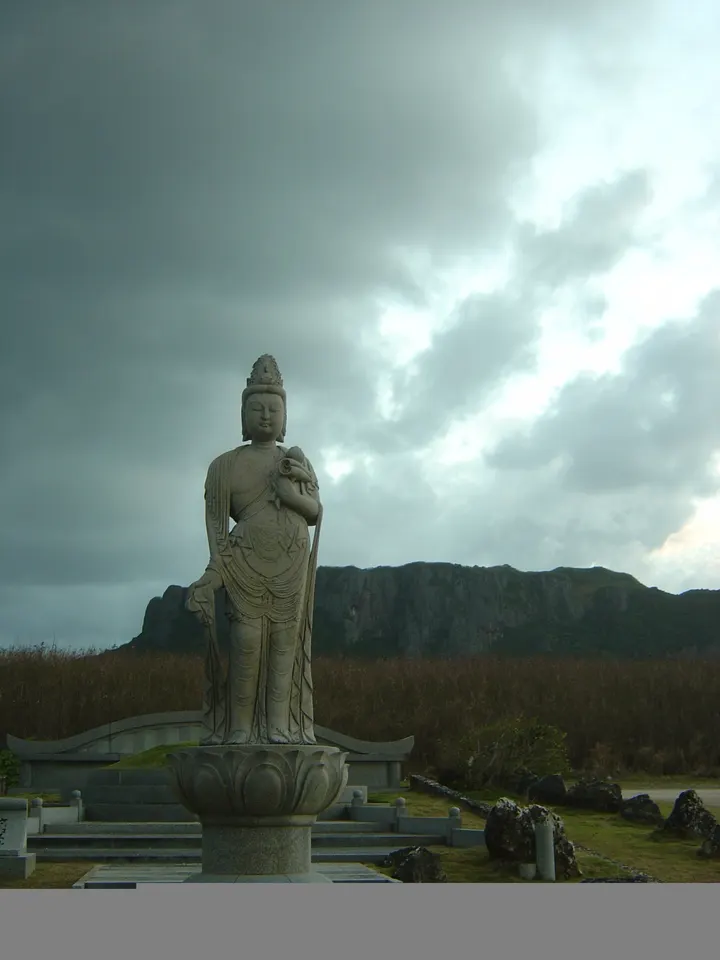
Buddha statue at Suicide Cliff on Saipan.
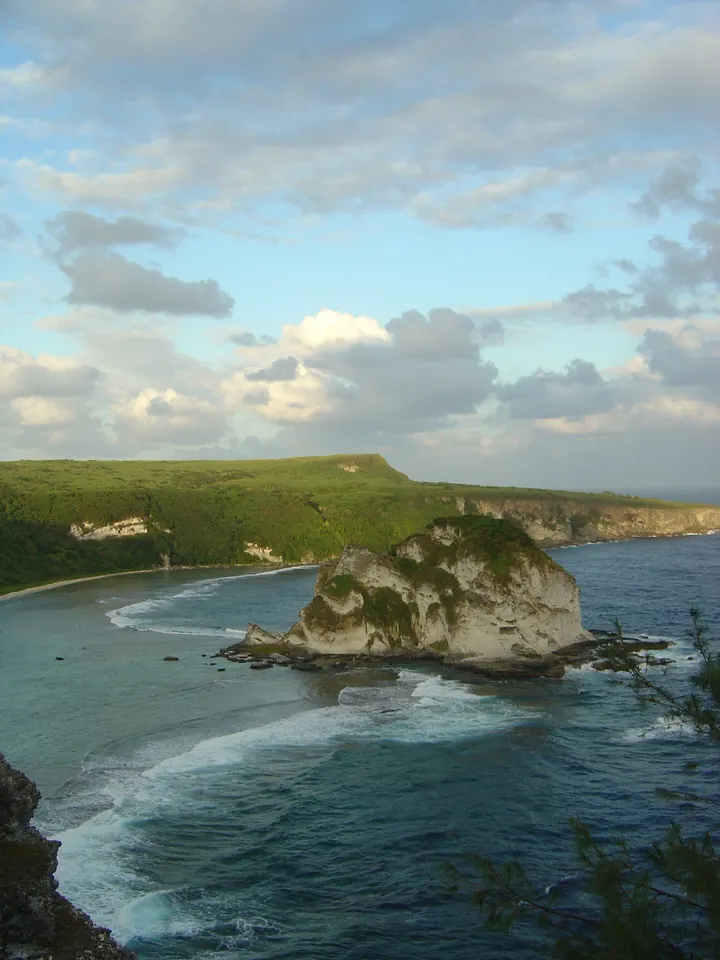
Bird Island, Saipan — the coral outcrop that has come to define the island's image.
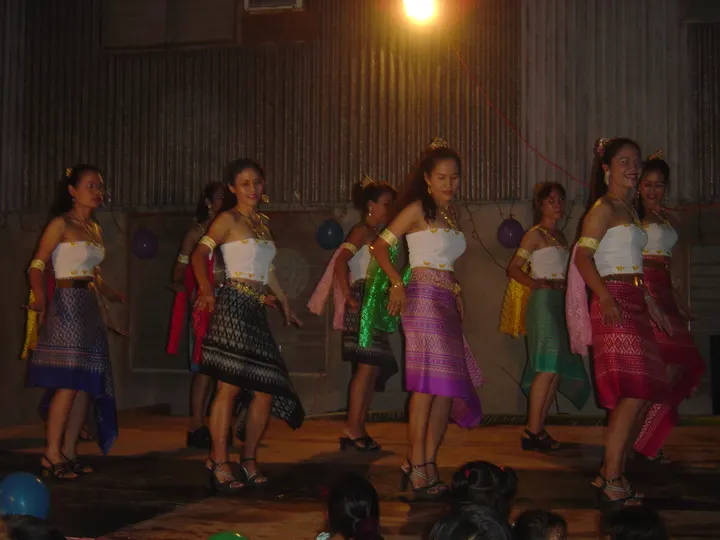
Thai New Year celebration in Saipan, full of more life than any caption can really hold.
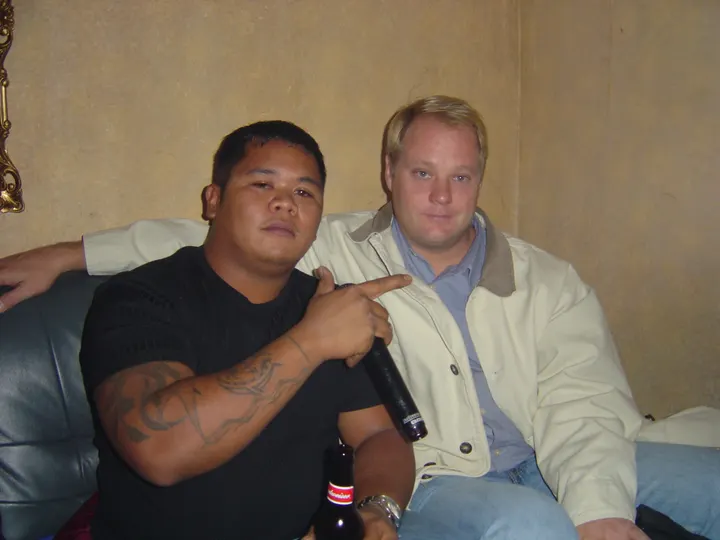
Watch partners ashore in Japan.
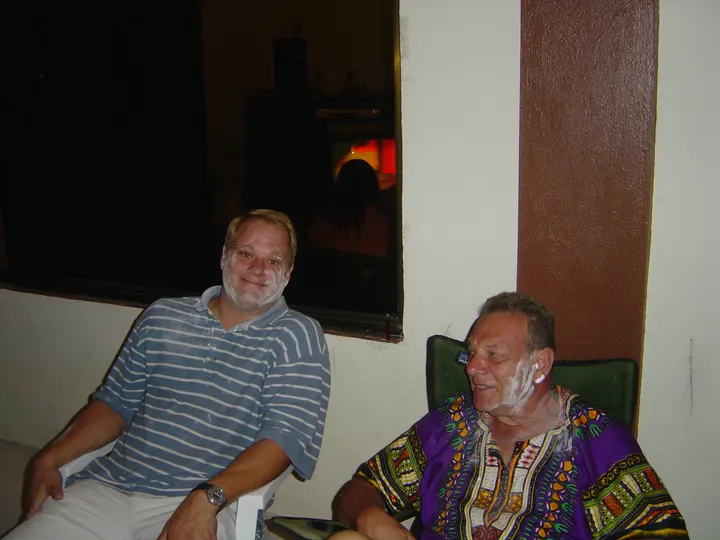
Ken and me during Thai New Year on Saipan.
New York — 2001
These New York photographs sit a little apart from the shipboard material, but they belong in the archive because they show where some of those years at sea connected back to life ashore. They are part city visit, part travel memory, and part record of the period.
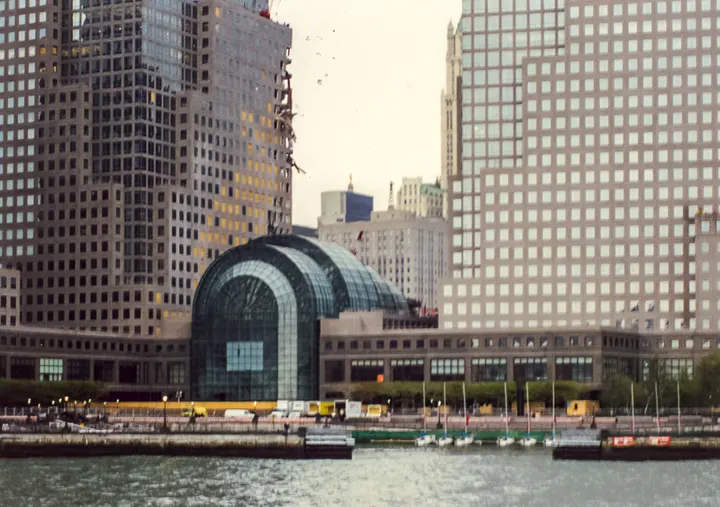
The American Express building shortly after 9/11.
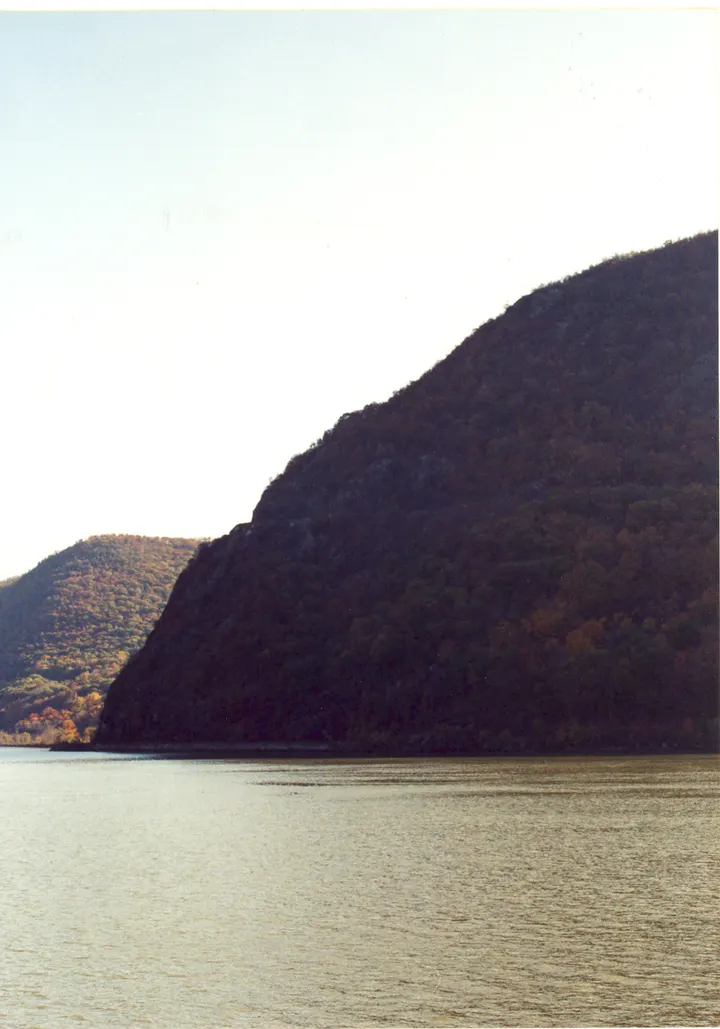
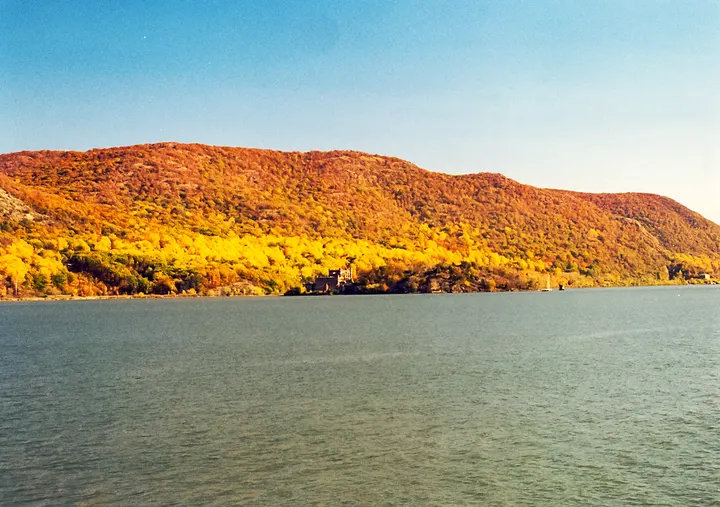
Bear Mountain, a good break from the waterfront and the ships.
Armory building in New York during time ashore.
Costa Rica — 2000
Costa Rica gave me a chance to photograph a greener, quieter side of the travel that came with the job. I kept these images because they balance out the steel, machinery, and deck work that dominate so much of the rest of the archive.
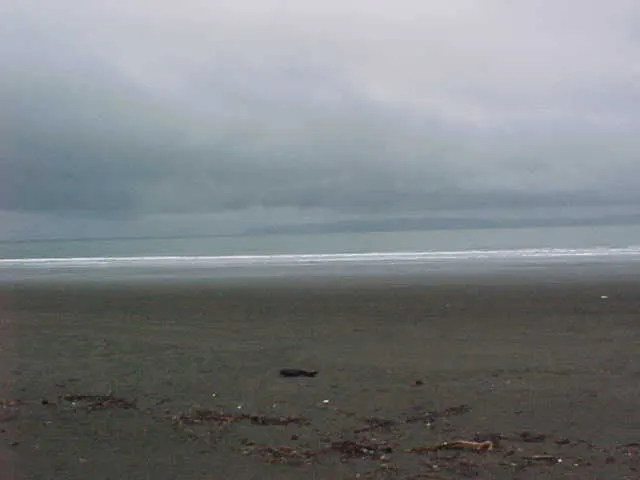
A beach in Costa Rica, far removed from steel decks and engine noise.
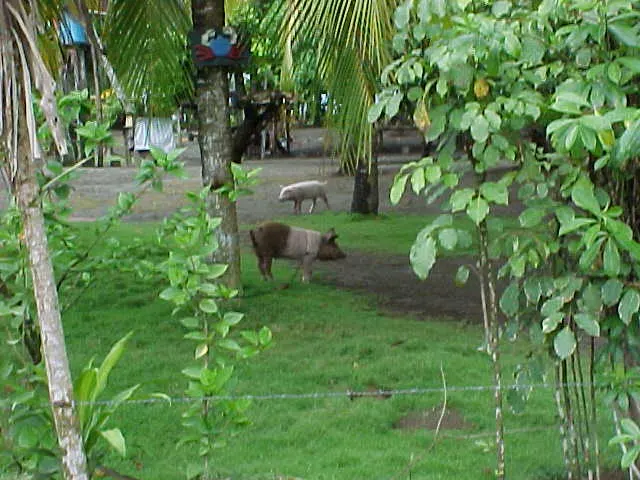
A roadside pig in Costa Rica, exactly the sort of unexpected detail I liked to photograph.
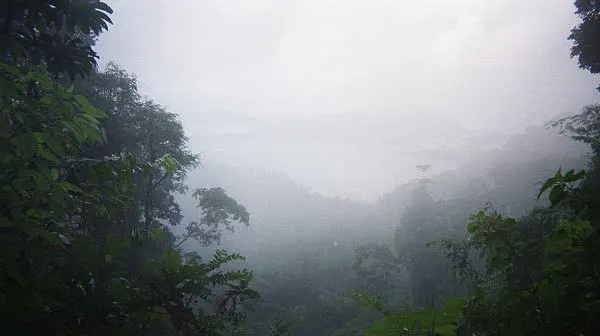
Rainforest scenery in Costa Rica.
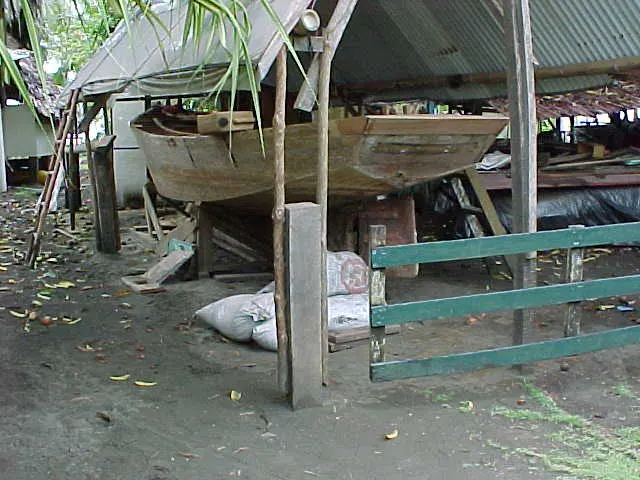
A small boat along the Costa Rican coast.
Ecuador — 2000
The Ecuador set is about small details of everyday life ashore: work, boats, buildings, and people making a living close to the water. Those kinds of scenes always mattered to me because they were just as much a part of seafaring as the ships themselves.
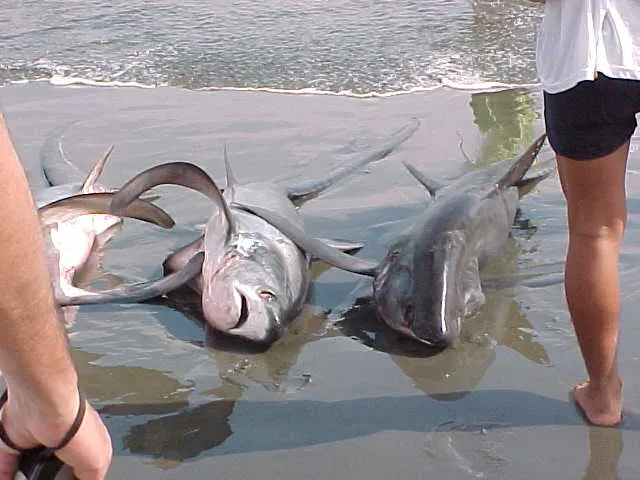
Fresh catch on display in Ecuador, part of the waterfront life there.
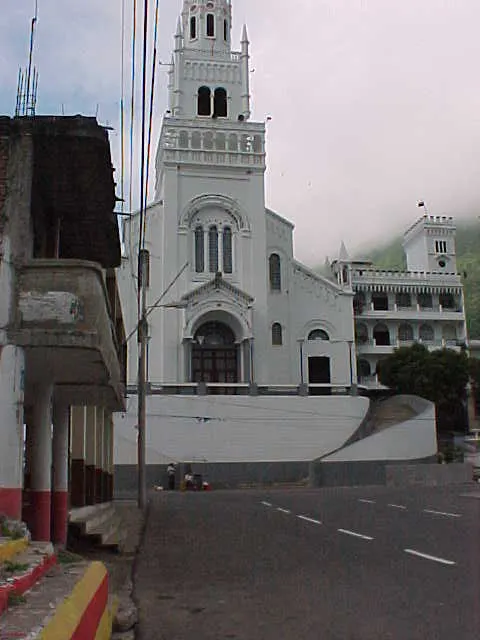
Basilica Menor Católica Nuestra Madre de Monserrate. Montecristi, Ecuador.
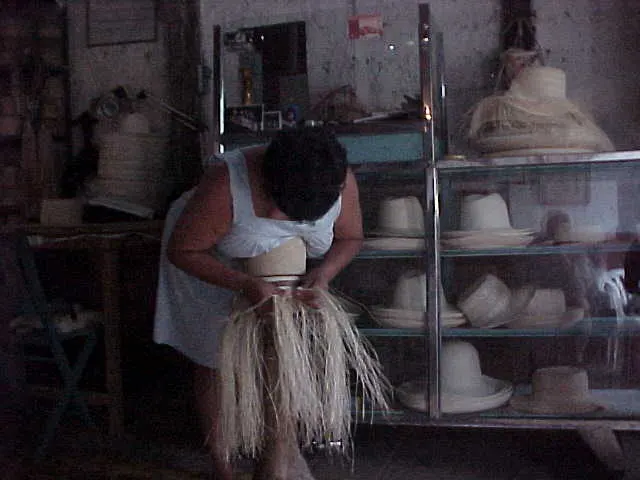
Hat-making work in Ecuador, the kind of local craft scene I wanted to remember.
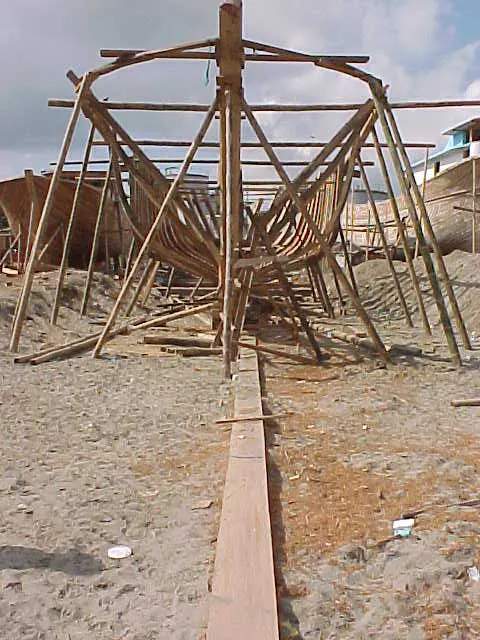
Fishing boat on the Ecuador waterfront.
Panama City, Panama — 2000
Panama was one of those places that felt important before you even stepped ashore, simply because of what it means to world shipping. These photographs are my way of holding onto the city and waterfront side of that experience.
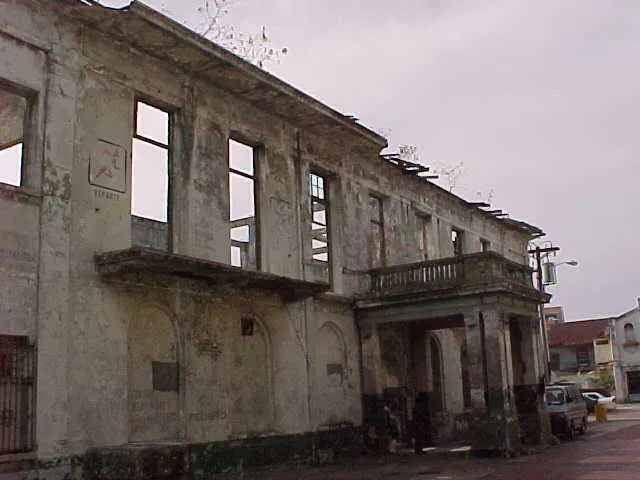
Panama City skyline and waterfront as I saw it from the maritime side.
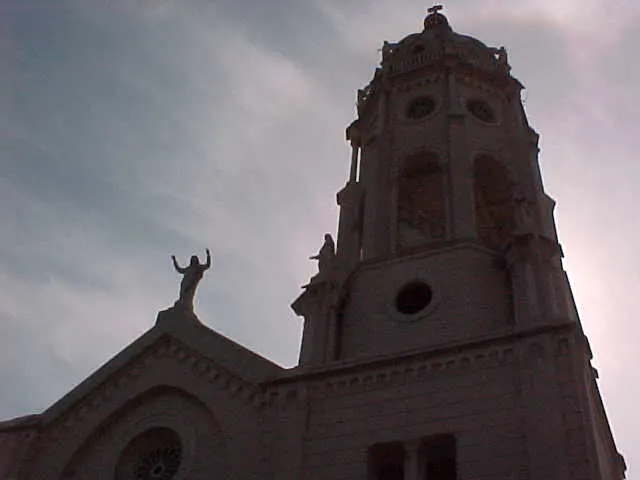
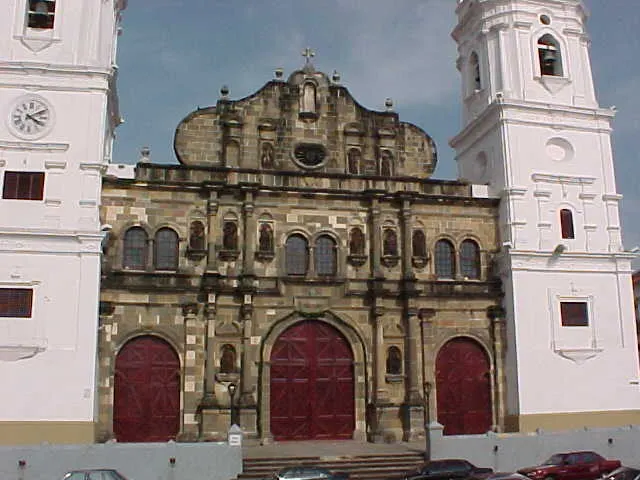
City architecture in Panama during a port visit.
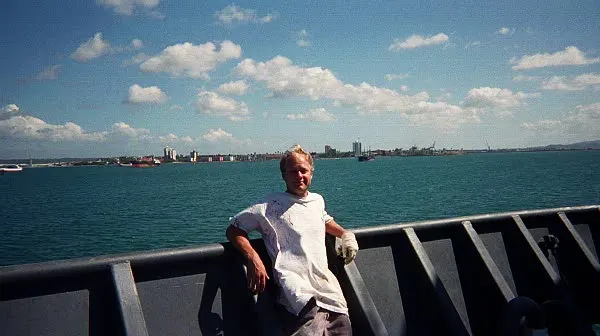
Another harbor-side view of Panama City.
Phot op while doing ship's work.
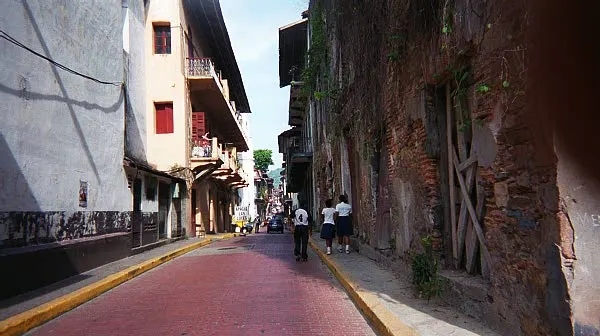
Panama waterfront scene tied to one of the world's great shipping routes.
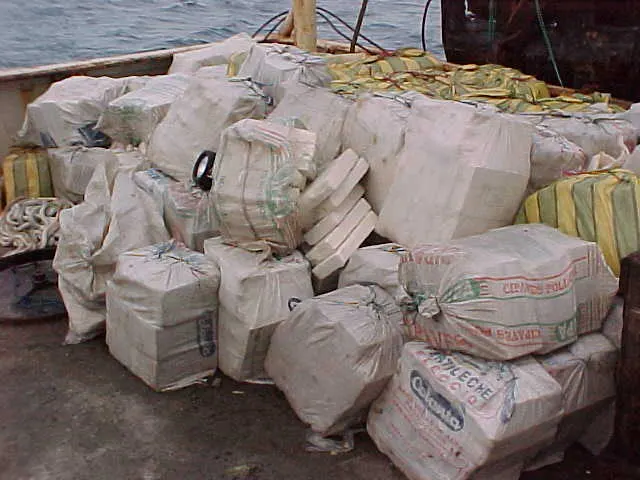
Raw Cocaine Coming Out of Colombia and the Ships and People Stopping It
This section is different from the rest of the archive because the subject itself was serious. I kept these photographs as a record of the ship, the people, and the kind of mission that showed another side of maritime service in that period.
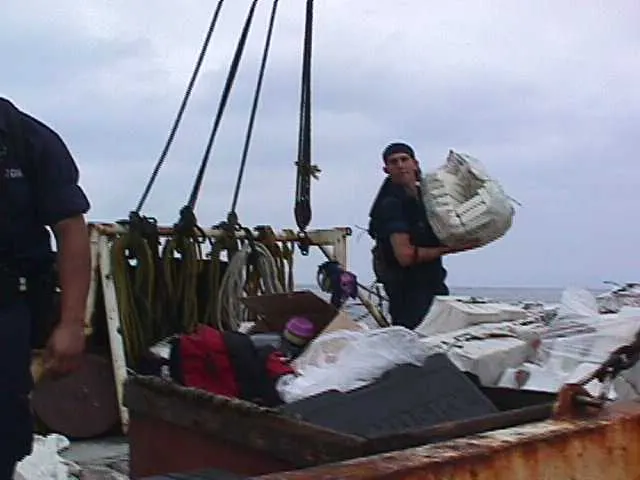
Evidence from a counter-narcotics mission, photographed because it was part of the work.
Another interdiction image from a mission that was more serious than most of this archive.
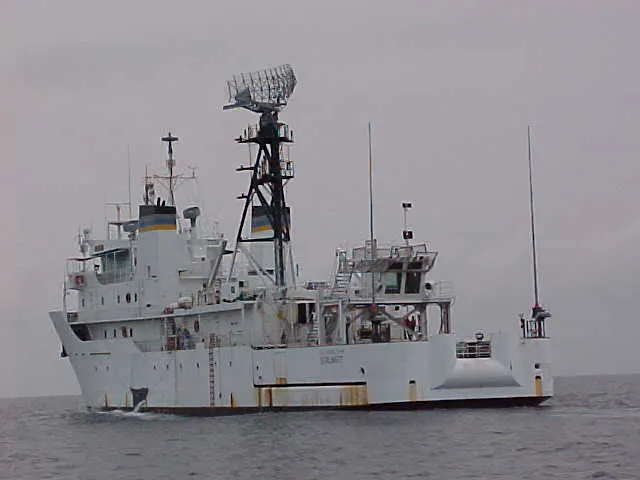
USNS Stalwart during her years of service.
Key West — 2000
Key West brought a lighter mood than many of the working photographs elsewhere on the site. I wanted these images to keep some of that feeling of stepping off the ship and into a place with its own pace and character.
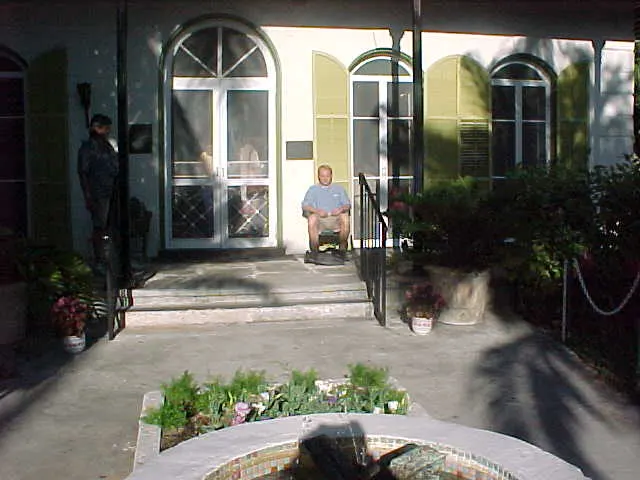
Ernest Hemingway house in Key West, Fl.
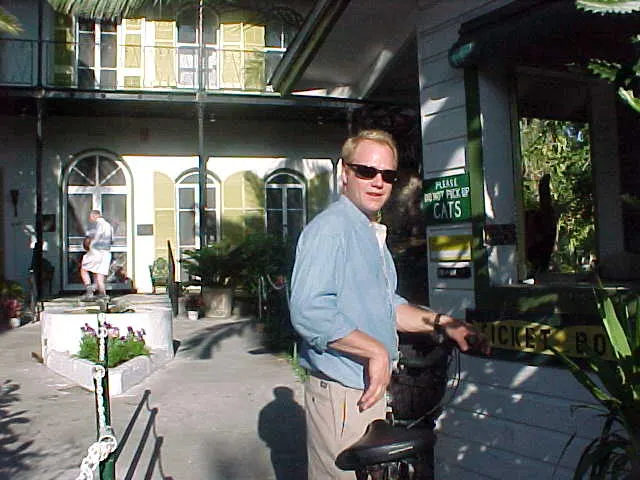
Ernest Hemingway house in Key West, Fl.
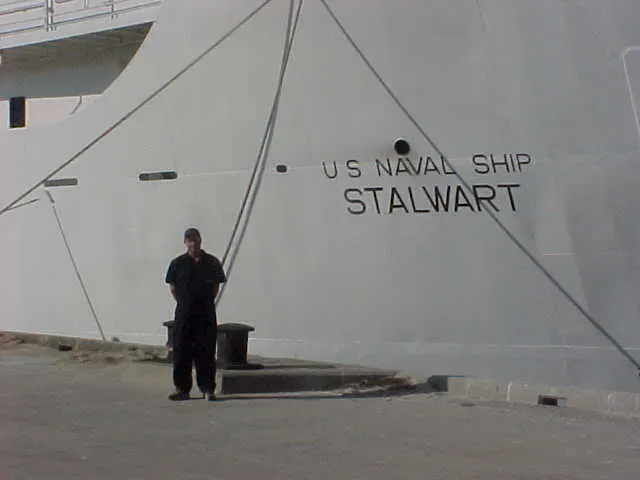
Stalwart photo op.
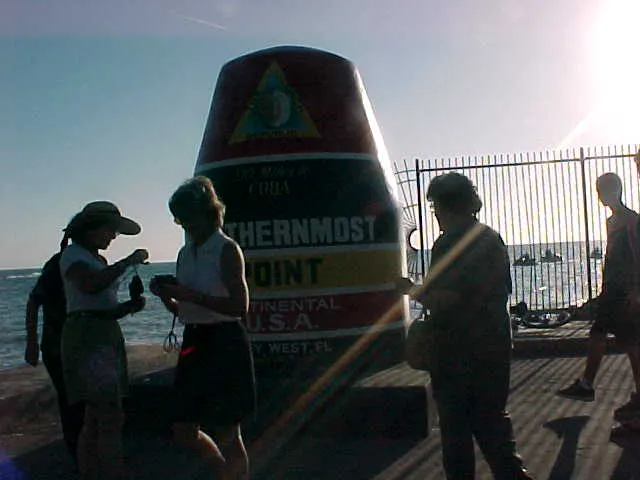
Southern Most Point in the US attraction.
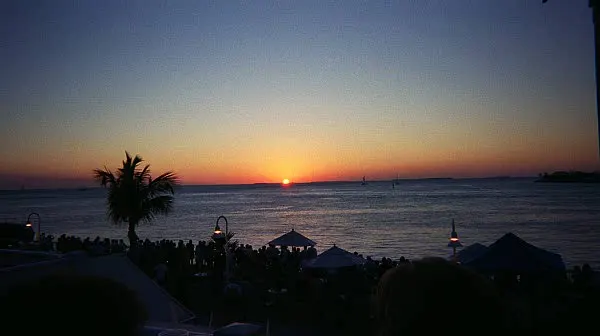
Sunset Celebration at Mallory Square, Key West.
Nice Sunset off Florida — 2000
A lot of life at sea is routine until a view like this reminds you exactly where you are. I kept this sunset because it felt like one of those brief, quiet rewards that came with the job.
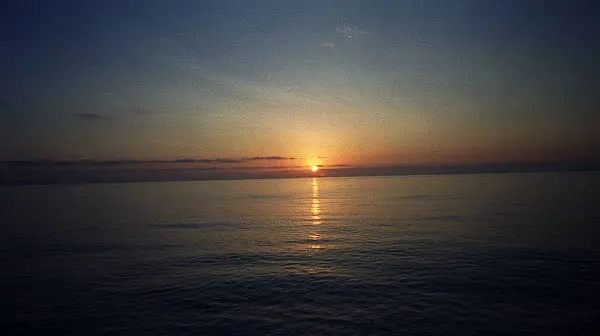
Evening light off Florida, one of those quiet sights you remember years later.
California — 1991
These California photographs come from the earlier years of the archive and still feel like the beginning of the story to me. They capture the coast, the skyline, and the sense of seeing a larger world open up through the work.
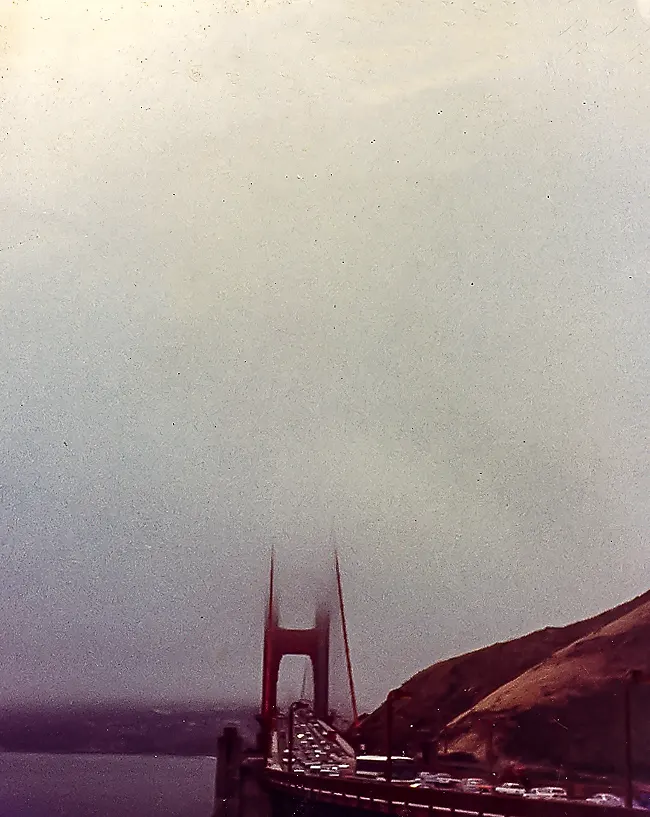
The Bay Bridge in fog on old film, straight out of the early years.
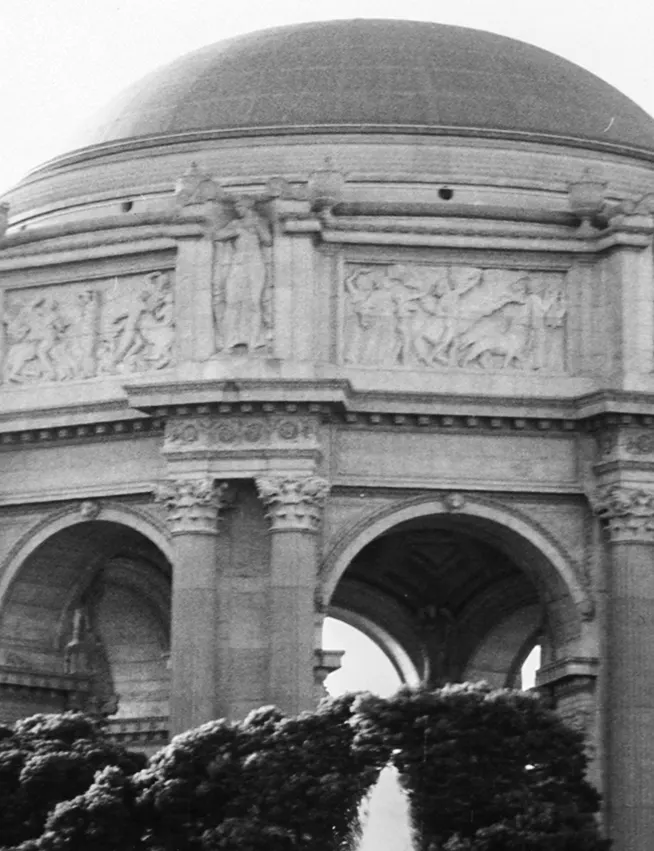
An aerial look down the California coast.
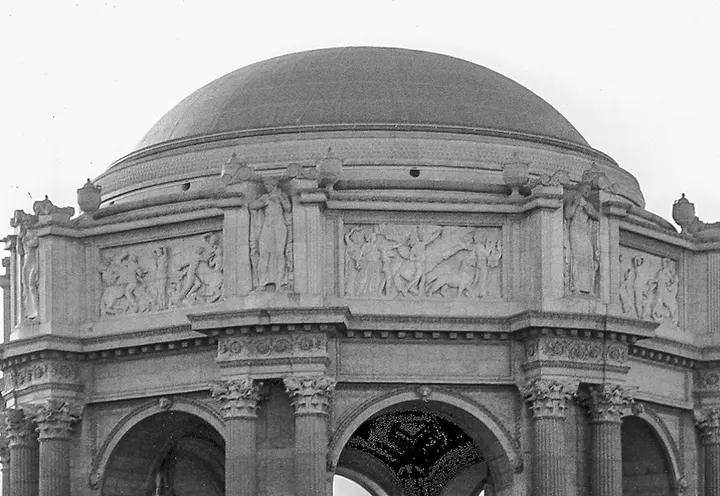
Another coastline view from above California.
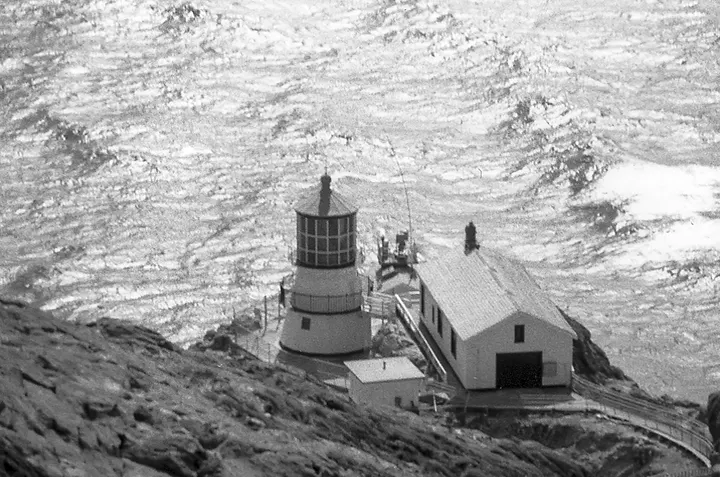
Point Reyes Lighthouse, one of the best-known coastal sights from that California stretch.
Philippines — 1990
These are some of the earliest photographs in the whole archive, and that alone makes them important to me. They mark the beginning of the travel record here and preserve what I saw during those early port visits in the Philippines.
.webp)
An early Philippines port-visit photograph from 1990.
.webp)
Street-side scene from the Philippines during one of my earliest voyages.
.webp)
Everyday local life in the Philippines as I saw it ashore.
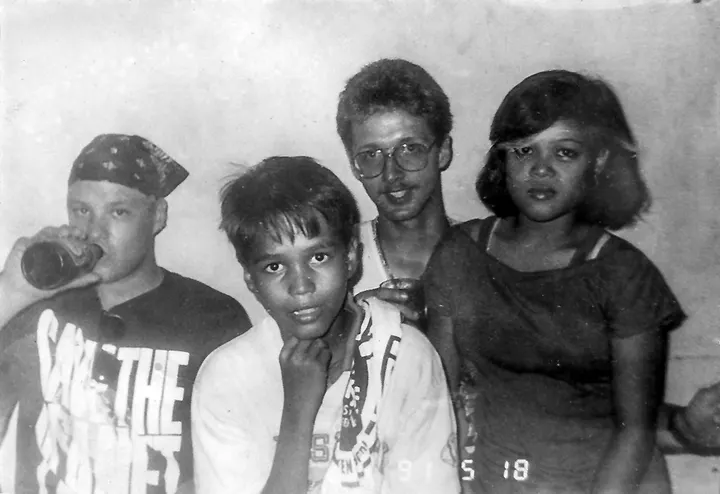
One of the earliest shore photographs in the archive, taken in the Philippines.
.webp)
A port-area scene from the Philippines, early in the years covered here.
USS Shasta (AE-33) — 1989 to 1992
My time aboard the USS Shasta (AE-33) came before the merchant marine years and sits at the beginning of this archive. The Shasta was a Kilauea-class fleet ammunition ship, home-ported at Naval Weapons Station Concord, California, resupplying US Navy vessels at sea. These photographs preserve the crew and shipboard life from that period.
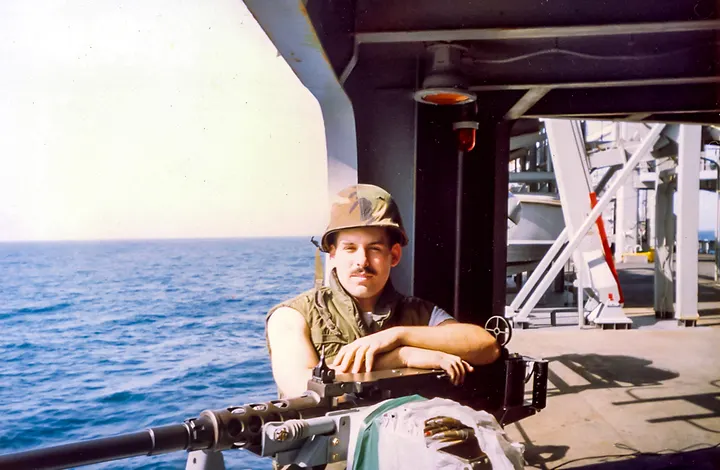
Bob Keenan aboard the Shasta, one of the crew faces I wanted to hold onto.
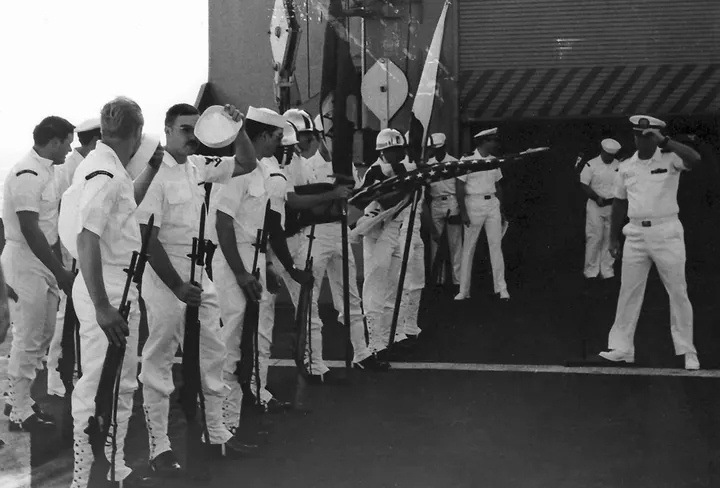
Change of Command Ceremony aboard the Shasta, one of the formal moments that punctuated Navy service.
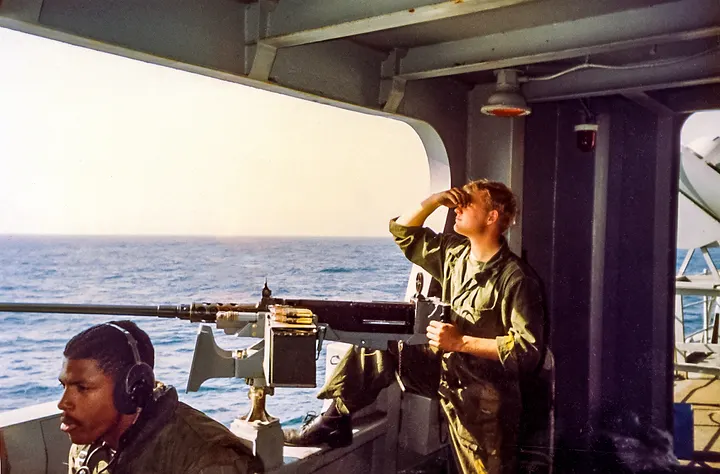
Me aboard the Shasta during my time on her — before the merchant marine years that make up most of this archive.
.webp)
Aboard the Shasta, the kind of working image I kept because it shows what the ship actually looked like.
.webp)
Another image from the Shasta years, from a stretch of service I still think about.
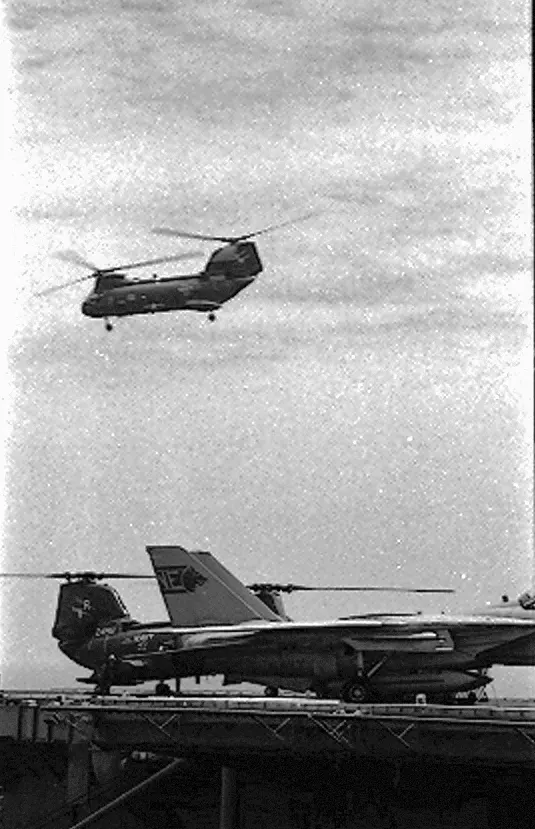
Life aboard the USS Shasta — the ship that started it all before the merchant seaman years that followed.